Picking your first sewing machine feels like a bigger deal than it probably needs to be. There are dozens of options, most of them look the same in photos, and the spec sheets blur together fast. But here’s the thing — the machine you start with shapes your early habits, and a frustrating first experience can kill the hobby before it even gets going.
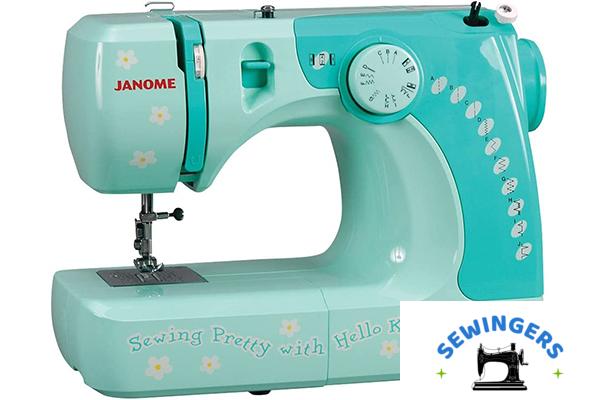
The Janome 3128 keeps showing up in beginner recommendations, and for good reason. It’s a mechanical machine that doesn’t try to do everything. Instead, it handles the basics well, stays affordable, and runs quietly enough that you won’t feel like you’re operating power tools in your living room. That said, it’s got trade-offs worth knowing about before you buy.
This review breaks down what the Janome 3128 actually delivers — features, performance, build quality, and the stuff that might frustrate you down the road. No fluff, no hype. Just what you need to know to decide if this is the right first machine for you.
Contents
- 1 Product Specifications
- 2 Product Features of the Janome 3128
- 3 Performance and Stitching Quality
- 4 Ease of Use and User-Friendly Features
- 5 Durability and Build Quality
- 6 Versatility and Sewing Options
- 7 Accessories and Additional Features
- 8 Pros and Cons
- 9 Maintenance and Care Tips
- 10 Price and Value for Money
- 11 Frequently Asked Questions
Product Specifications
Here’s a quick snapshot of the Janome 3128’s specs:
- Machine Type: Mechanical
- Built-in Stitches: 8
- Max Stitch Width: Roughly 5mm
- Max Stitch Length: Roughly 4mm
- Thread Tension: Manual control
- Bobbin: Front-loading system
- Free Arm: Yes
- Presser Feet: Standard foot, buttonhole foot, zipper foot (accessories can vary)
- Needle Position: Center
- Thread Cutter: Available on some models
- Lighting: LED on some models
- Size & Weight: Compact and lightweight — easy to move around
- Power: Standard household AC
- Warranty: Varies by retailer and region, so double-check before purchasing
Product Features of the Janome 3128
The Janome 3128 packs a surprising amount into a small, affordable package. Here’s what stands out:
Eight Built-in Stitches — You get your straight stitch, zigzag, and a handful of decorative options. Eight doesn’t sound like a lot (and honestly, it isn’t compared to higher-end machines), but most beginners use two or three stitches for months before branching out. It covers the ground you actually need early on. The decorative stitches are a nice bonus for when you want to add some personality to a project without needing a specialized machine.
Adjustable Stitch Length and Width — You can tweak both settings to match your fabric and project. This kind of control matters more than people realize — the difference between a stitch length that works on cotton versus one that works on knit fabric is the difference between a clean seam and a puckered mess. Being able to fine-tune these settings means you won’t be locked into one-size-fits-all stitching.
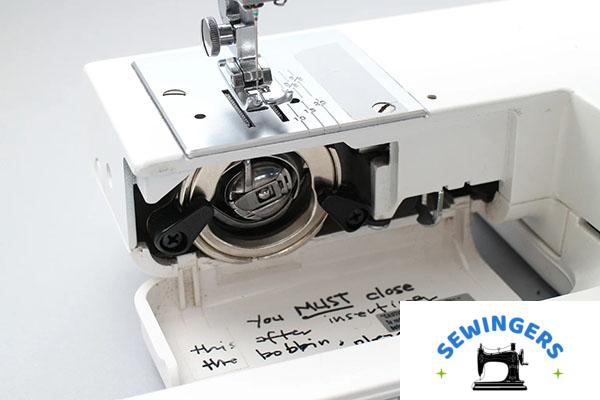
Front-Loading Bobbin — Winding and inserting the bobbin is straightforward with this design. No fumbling around trying to drop it in from above. For someone still learning the threading process, this removes one layer of confusion. You can also see the bobbin thread supply more easily, which helps you avoid running out mid-seam.
Manual Thread Tension Control — Being able to dial the tension up or down for different fabrics gives you a lot of flexibility. It takes some practice to get the feel for it, but once you do, your stitches look noticeably more even. Different fabrics pull differently, and having this manual adjustment means you can adapt rather than just hoping the default setting works.
Free Arm — Pop off the extension table and you’ve got access for sewing sleeves, cuffs, and hems. If you’ve ever tried hemming a pant leg on a flat surface, you know why this feature matters so much.
Lightweight and Portable — It’s easy to carry to classes or move between rooms. Not every machine needs to live permanently on a dedicated table, and the Janome 3128 accommodates that flexibility without sacrificing stability during use.
Solid Construction — Despite being compact, it doesn’t feel flimsy during use. There’s enough weight and stability to keep the machine from walking across the table when you’re sewing at speed. The build inspires confidence even though it’s clearly an entry-level product.
Simple Controls — No menus, no screens, no software updates. A dial, a few buttons, and you’re sewing. The learning curve is short, which means you spend more time actually sewing and less time reading instruction manuals.
Performance and Stitching Quality
The Janome 3128 has a solid reputation for producing clean, consistent stitches. Users routinely report even stitch quality across standard fabric types — cottons, linens, lightweight blends. The adjustable stitch length and width controls make it easy to dial in the right settings for whatever project you’re working on.
Thread tension control is where things get interesting. Getting balanced stitches on both sides of the fabric comes down to how well you manage the upper thread tension, and this machine gives you that adjustment. It takes a bit of trial and error (especially with unfamiliar fabrics), but the results are worth the learning curve. What tends to happen is new sewers leave the tension on the default setting and wonder why their stitches look uneven on certain materials. Once you start adjusting it — even small increments — the improvement is noticeable.
One thing that doesn’t get mentioned enough: needle and thread selection matters just as much as the machine itself. Pairing the right needle size with the right thread weight for your fabric type is what separates okay-looking stitches from professional-looking ones. A universal needle works for most woven cottons, but try that same needle on a stretch knit and you’ll see skipped stitches and frustration. The machine can only do so much — the rest is on you.
And that’s actually the bigger point. Proper threading, steady fabric handling, and keeping the machine clean and oiled all contribute to stitch quality over time. A well-maintained Janome 3128 in experienced hands produces noticeably better results than the same machine neglected after six months. For anyone wanting more detailed performance data, checking recent user reviews in sewing communities and forums gives you the most current picture.
Ease of Use and User-Friendly Features
This is where the Janome 3128 really earns its reputation as a beginner machine.
The interface is about as simple as it gets. Stitch selection happens through a clearly labeled dial — no scrolling through digital menus. Stitch length and width controls are easy to reach and adjust on the fly. The front-loading bobbin system takes the guesswork out of that part of the setup, which is usually the step that trips up new sewers the most.
The manual thread tension control is straightforward once you understand the basics. And the machine usually ships with a detailed instruction manual that walks you through setup, threading, and basic operations step by step.
The portability factor is genuinely useful too. If you’re taking sewing classes or working from a small apartment, being able to tuck the machine into a closet or carry it to a friend’s house makes a real difference. The free arm adds another layer of convenience for those tricky cylindrical sewing situations.
Bottom line: if you can follow a manual and thread a needle, you can figure out this machine in an afternoon. That’s not always the case with sewing machines — some entry-level models come with confusing layouts and poorly written guides that make the first experience harder than it needs to be. The Janome 3128 avoids that trap.
Durability and Build Quality
Janome has a long track record of building reliable machines, and the 3128 fits that pattern. Most users report that it holds up well under regular use — no unusual breakdowns, no parts wearing out prematurely.
The construction feels sturdy enough for what it is. It’s not a commercial-grade machine, but it’s not pretending to be one either. The materials are generally good quality for the price point, and the internal mechanics tend to stay reliable with basic maintenance.
That last part is key, though. Like any mechanical device, the Janome 3128 rewards you for taking care of it. Regular cleaning, occasional oiling, and replacing needles when they get dull all add up to a machine that lasts years longer than one that gets neglected.
Some users have pointed out that certain components are plastic rather than metal. That’s a fair criticism, and it’s worth noting — though it’s also standard across most entry-level machines in this price range. The plastic vs. metal debate comes up in almost every budget sewing machine review, and in practice, the plastic parts on the 3128 hold up fine for the kind of use this machine is designed for. You’d only start noticing a difference if you were pushing it beyond its intended workload consistently.
Versatility and Sewing Options
Eight built-in stitches cover the essentials: straight stitch, zigzag, and a selection of decorative options. You can adjust stitch length and width for additional flexibility, and the manual thread tension control helps you adapt to different fabric weights.
The free arm capability opens up projects involving sleeves, cuffs, and hems. And the included accessories — zipper foot, buttonhole foot, darning plate — expand what you can tackle without buying extras right away.
Fabric compatibility is decent. The machine handles lightweight fabrics like silk and chiffon, medium-weight cottons and linens, and even heavier materials like denim (though multiple layers of denim will push its limits). For most beginner and intermediate projects, it doesn’t hold you back.
Here’s the honest take, though: this is an entry-level machine. If you’re getting into complex quilting, heavy-duty upholstery work, or anything that demands 30+ stitch options, you’ll outgrow it. But for learning the fundamentals and completing everyday projects, the versatility is more than adequate. Most people who start sewing don’t need a machine that can do everything — they need one that does the common things well without being overwhelming. The 3128 fits that description.
For detailed information on the exact stitch options included with your specific model, checking the official Janome documentation or contacting the manufacturer directly is the most reliable approach, since small variations exist between production runs.
Accessories and Additional Features
The Janome 3128 typically ships with a practical accessory kit:
- Standard presser foot for general sewing
- Buttonhole foot for creating buttonholes in various sizes
- Zipper foot for installing zippers
- Seam ripper for fixing mistakes (and you will make them — everyone does)
- Extra bobbins for the lower thread
- Needle set covering different fabric types
- Spool holders to keep thread steady
- Small screwdriver for adjustments and foot changes
Depending on the model, you might also get reverse stitching for reinforcing seams, LED lighting for better visibility, and a built-in thread cutter for quick snips without reaching for scissors.
Pros and Cons
Pros
Easy to learn — The straightforward controls and simple interface make it genuinely beginner-friendly. You’re sewing, not troubleshooting software.
Portable — Light enough to carry to class, small enough to store in a closet. Practical if you don’t have a permanent sewing station.
Decent stitch options — Eight stitches cover most beginner needs. Straight, zigzag, and decorative options give you room to experiment.
Reliable performance — Consistent stitch quality and durable construction. It does what it’s supposed to do without drama.
Front-loading bobbin — Makes the bobbin process less intimidating for new sewers.
Good thread tension control — Manual adjustment gives you real control over stitch quality across different fabrics.
Free arm — Makes hemming and working on small items much less awkward.
Affordable — Strong value for the price. You’re not overpaying for features you won’t use yet.
Cons
Limited stitch variety — Eight stitches feels restrictive once you progress past the beginner stage. Advanced users will want more options.
No advanced features — No automatic needle threading, no speed slider, no programmable settings. It’s deliberately simple, which becomes a limitation as your skills grow.
All manual adjustments — Stitch length, width, and tension are all manual. Some people prefer automated adjustments, especially for quick fabric changes.
Limited speed control — Getting very slow, precise speeds for delicate work can be tricky. The foot pedal sensitivity isn’t as refined as higher-end machines.
Some plastic components — Certain parts feel less robust than metal alternatives. Common for this price range, but worth noting.
Noise level — A few users report it’s louder than expected. Not a dealbreaker, but something to consider if you sew late at night.
Maintenance and Care Tips
Taking care of the Janome 3128 isn’t complicated, but it does require consistency:
- Clean after each use. Brush out lint, dust, and thread scraps from the feed dogs and bobbin area. Don’t blow air into the machine — it just pushes debris deeper inside.
- Check the bobbin area. Remove the bobbin case periodically and clean out accumulated lint. Replace damaged bobbins.
- Swap needles regularly. A dull or bent needle causes more problems than people realize. Use the right needle size for your fabric, and insert it correctly per the manual.
- Use good thread. Cheap or old thread causes tension issues and breakage. It’s not worth the savings.
- Oil when needed. Follow the manufacturer’s guidelines for lubrication. A little oil in the right spots keeps everything running smoothly.
- Store it covered. When you’re not using it, keep it covered or in a case. Dust accumulation is the silent killer of sewing machines.
- Get it serviced occasionally. A professional tune-up every year or two catches problems before they become expensive repairs.
- Read the manual. Every machine has quirks. The manual tells you what this specific machine needs.
Price and Value for Money
The Janome 3128 sits comfortably in the entry-level price range, and for what you get, it’s a solid deal. You’re paying for a reliable mechanical machine with enough features to learn on and enough durability to last through your beginner phase and beyond.
It won’t compete with $500+ machines on features or stitch variety. That’s not the point. The value proposition here is straightforward: a dependable machine at a price that doesn’t make you nervous about committing to a new hobby. For beginners and casual sewers, that balance of cost and capability is hard to beat.
Prices vary by retailer and region, so checking a few sources before buying is worth the extra five minutes. You’ll sometimes find it bundled with extra accessories or discounted during sales events, which sweetens the deal further.
The Janome 3128 does what it promises — reliable, simple, affordable sewing for people who are still figuring out whether this hobby is for them. It won’t blow your mind with features, but it won’t frustrate you with complexity either. And for a first machine, that trade-off usually works out. If you stick with sewing, you’ll eventually want something more advanced. But as a starting point? It’s hard to argue against the 3128.
Frequently Asked Questions
Is the Janome 3128 suitable for beginners?
Yes. The simple controls, clear manual, and straightforward design make it one of the most commonly recommended machines for people just starting out. You won’t feel overwhelmed by features you don’t understand yet, which makes those first few projects a lot less stressful.
Can the Janome 3128 handle thick fabrics?
It manages medium-weight fabrics like cotton and linen without issues. Thicker materials like denim work in single or double layers, but stacking multiple heavy layers will strain it. Heavy-duty projects — think upholstery or canvas — need a more powerful machine. Knowing this limitation upfront saves you frustration later.
Is the Janome 3128 computerized?
No. It’s fully mechanical with manual controls. No screens, no programming, no digital interfaces. Just dials, knobs, and a foot pedal. For some people, that simplicity is the whole appeal.
Yes. It comes with a buttonhole foot and has a built-in buttonhole stitch function for creating buttonholes in different sizes. The process is manual rather than automatic, so you’ll need to follow the steps in the manual, but it works reliably once you get the hang of it.
What’s the warranty?
Warranty terms vary by retailer and country of purchase. Typical sewing machine warranties range from one to five years. Always check with your specific seller before buying, and keep your receipt — warranty claims without proof of purchase tend to go nowhere.
Can you do free-motion quilting?
It’s not designed for it, but basic free-motion work is possible by dropping the feed dogs and using a darning or quilting foot. Don’t expect the same results as a dedicated quilting machine, and expect a steep learning curve if you haven’t done free-motion work before.
Does it work for embroidery?
No. The Janome 3128 doesn’t have embroidery features or compatibility with embroidery units. If embroidery is your goal, you’ll need a dedicated embroidery machine or a combo unit that handles both sewing and embroidery functions.