Polyester tends to look easy—almost too easy. It sits neatly on store shelves, it’s affordable, it resists wrinkles like a champ. So naturally, you might expect it to behave nicely under a sewing machine. And then… the puckering starts, the fabric slips, the iron leaves a faint shine that refuses to disappear. That’s usually the moment things shift.
Polyester is durable and cost-effective, but it demands controlled handling—especially with heat, tension, and movement.
Once that clicks, everything else begins to fall into place.
Contents
- 1 Key Takeaways
- 2 1. Understanding Polyester Fabric in the US Market
- 3 2. Essential Tools for Sewing Polyester Successfully
- 4 3. How to Set Up Your Sewing Machine for Polyester
- 5 4. Cutting Polyester Fabric with Precision
- 6 5. Managing Heat and Pressing Without Damage
- 7 6. Preventing Common Polyester Sewing Problems
- 8 7. Finishing Seams for Durability
- 9 8. Sewing Polyester for Different Projects
- 10 9. Sustainability and Care Considerations
- 11 Final Thoughts
Key Takeaways
- Polyester delivers durability and affordability, dominating US apparel from budget retail to performance brands.
- Sharp needles (70/10 or 80/12) and polyester thread reduce skipped stitches and tension issues.
- Low heat and pressing cloths prevent melting and permanent shine marks.
- Fabric type dictates technique—woven, knit, microfiber, and blends behave differently.
- Seam finishing directly impacts lifespan, especially for frequently washed garments.
1. Understanding Polyester Fabric in the US Market
Polyester shows up everywhere in American sewing rooms—sometimes without being obvious. That lightweight summer dress? Likely polyester. Those gym leggings? Definitely polyester knit.
Polyester is a petroleum-derived synthetic fiber engineered for strength, elasticity, and low moisture absorption.
Types of Polyester You’ll Encounter
- Woven polyester – stable, structured; used in dresses, curtains, uniforms
- Polyester knit – stretchy, flexible; common in T-shirts, leggings
- Microfiber polyester – ultra-fine fibers; smooth, almost slippery
- Polyester blends – mixed with cotton or spandex for comfort and breathability
Here’s where things get interesting. What trips most people up isn’t polyester itself—it’s assuming all polyester behaves the same. A woven polyester feels almost cooperative. A knit version? It stretches when least expected.
That difference alone changes how your machine responds.
2. Essential Tools for Sewing Polyester Successfully
Tools don’t just “help”—they quietly prevent half the problems that show up later.
Using the correct needle, thread, and accessories eliminates common polyester issues like puckering and skipped stitches.
Recommended Supplies
- Needles: Size 70/10 or 80/12 (sharp or Microtex)
- Thread: 100% polyester thread
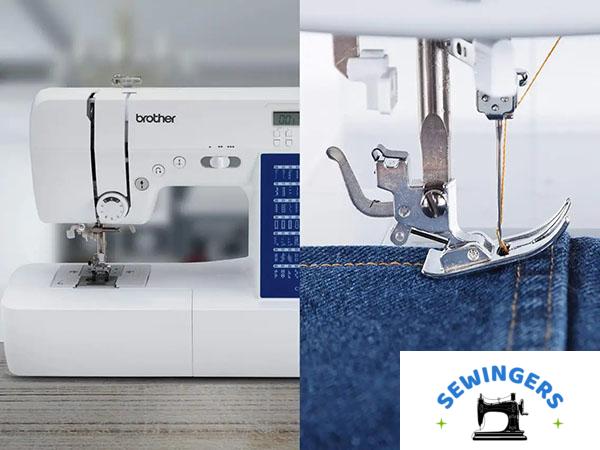
- Machine: Reliable models like Singer or Brother
- Pins or clips: Fine pins or fabric clips to avoid visible holes
- Pressing cloth: Cotton layer to shield fabric from heat
Now, here’s something that tends to surprise beginners: cheaper thread often causes more tension issues than the fabric itself. A $3–$5 spool from Joann or Hobby Lobby usually performs better than bargain-bin options—less lint, smoother feed.
It doesn’t feel like a big upgrade. But it shows up in every seam.
3. How to Set Up Your Sewing Machine for Polyester
Machine settings make or break polyester projects. Not dramatically at first—but gradually, stitch by stitch.
Correct stitch type and balanced tension prevent puckering and fabric distortion.
Machine Settings Guide
| Fabric Type | Stitch Type | Stitch Length | Adjustment Notes |
|---|---|---|---|
| Woven polyester | Straight stitch | 2.0–2.5 mm | Standard tension works in most cases |
| Polyester knit | Stretch stitch | 2.5–3.0 mm | Slightly lower tension prevents stretching |
| Microfiber | Straight stitch | 2.0 mm | Reduce presser foot pressure |
| Polyester blends | Depends on mix | 2.5 mm avg | Test on scrap first |
What stands out over time is how small adjustments ripple outward. A slight tension tweak—barely noticeable—can flatten puckering entirely. But push it too far, and the seam weakens.
So testing on scrap fabric isn’t just a suggestion. It’s where most of the real problem-solving happens.
4. Cutting Polyester Fabric with Precision
Cutting polyester feels a bit like handling something that doesn’t want to stay put. Especially microfiber—it shifts, slides, almost drifts off the table.
Clean, stable cutting prevents distortion before sewing even begins.
Best Cutting Practices
- Use a rotary cutter for smooth, controlled edges
- Secure fabric with pattern weights instead of excessive pinning
- Cut on a non-slip mat (common US options range from $20–$50)
- Avoid stretching knits while laying out patterns
Here’s the thing: mistakes during cutting rarely look obvious right away. But once pieces are sewn together, slight misalignments show up as twisting seams or uneven hems.
And by then, it’s too late to fix cleanly.
5. Managing Heat and Pressing Without Damage
Heat is where polyester quietly punishes mistakes.
Low to medium heat with a pressing cloth prevents melting, warping, and shine marks.
Safe Pressing Techniques
- Set iron to synthetic or low heat
- Use steam sparingly
- Always place a pressing cloth between iron and fabric
- Test heat on a scrap piece first
A common scenario: everything looks fine during pressing, then a faint glossy patch appears under light. That’s a heat mark. And it doesn’t wash out.
It’s subtle. But once noticed, it’s impossible to ignore.
6. Preventing Common Polyester Sewing Problems
Polyester rarely fails loudly. It builds small issues—then compounds them.
Puckering
- Adjust thread tension gradually
- Use finer needles
- Let fabric feed naturally (no pulling)
Fraying
- Finish seams with zigzag stitch or serger
- Use pinking shears for quick fixes
Static
- Lightly mist fabric with water, especially during dry winter months in the US
Static, oddly enough, gets overlooked. But it causes fabric to cling, shift, and resist alignment—especially in heated indoor environments.
7. Finishing Seams for Durability
Seam finishing isn’t just about aesthetics. It determines how long your project survives real use.
Strong seam finishes prevent fraying and extend garment lifespan through repeated washing.
Popular Seam Finishes
- Zigzag stitch – quick and effective
- Overlock (serged) seam – professional and durable
- French seam – ideal for lightweight fabrics
- Bound seam – common in activewear
You’ll notice something over time: garments that look identical from the outside can age very differently. The difference almost always comes down to seam finishing.
Especially with gym clothes or uniforms that go through frequent wash cycles.
8. Sewing Polyester for Different Projects
Polyester adapts well—but only when matched correctly to the project.
Apparel
- Activewear, school uniforms, workwear
- Stretch knits dominate here
Home Décor
- Curtains, tablecloths, upholstery accents
- Woven polyester offers structure and durability
Holiday Crafts
- Fleece stockings, seasonal décor
- Easy to handle, forgiving for beginners
There’s a pattern worth noticing: the more movement a project requires (like activewear), the more fabric behavior matters. Static décor? Much easier to manage.
9. Sustainability and Care Considerations
Polyester sparks debate. It isn’t biodegradable—but it lasts.
Recycled polyester, often made from plastic bottles, reduces environmental impact while maintaining durability.
Brands like Patagonia actively use recycled fibers, shifting how polyester fits into sustainable production.
Care Tips
- Wash in cold water
- Tumble dry on low heat
- Avoid high-temperature ironing
Garments last longer when treated gently. And interestingly, polyester doesn’t demand frequent washing the way natural fibers sometimes do.
Final Thoughts
Polyester rewards control more than confidence. That’s the shift most people don’t expect.
Once tension, heat, and handling fall into rhythm, the fabric stops feeling unpredictable. It becomes consistent. Reliable, even.
And somewhere along the way—usually after a few uneven seams and one slightly scorched pressing attempt—you start noticing something subtle: polyester isn’t difficult. It just refuses to be rushed.