

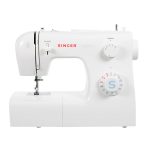
Singer 2259 Sewing Machine
over $75
free returns
checkout
support
The Singer 2259 sewing machine has stayed relevant for years because it handles the basics reliably. You can hem jeans before the school year starts, repair cushion covers after football season, or stitch simple holiday décor in December without fighting the machine every step of the way. That practicality explains why the Singer Tradition 2259 still appears at Walmart, Amazon, and Joann Fabrics locations across the country.
Singer 2259 Sewing Machine Overview
The Singer 2259 is a mechanical sewing machine designed for beginners, casual sewists, and budget-conscious households. Singer Corporation positions it as an entry-level model, but the machine covers far more than beginner practice projects.
Unlike computerized sewing machines, the Singer 2259 relies on manual dials and physical controls. That setup creates a more direct sewing experience. You turn the stitch selector dial. You adjust stitch length manually. You physically feel the reverse lever engage. For many users, especially first-time sewists, that tactile feedback reduces frustration.
The machine includes:
- 19 built-in stitches
- Automatic four-step buttonhole
- Free arm capability
- Adjustable stitch length
- Snap-on presser feet
- Lightweight portable frame
Most retail prices in the U.S. range from roughly $110 to $170 depending on seasonal promotions and retailer discounts. During Black Friday or Labor Day sales, prices occasionally dip below $100 on Amazon or Walmart.
Now, here’s the interesting part. Many beginner sewing machines under $200 overload users with decorative stitch counts that rarely get used. The Singer 2259 keeps the feature list practical instead of overwhelming.
That balance explains why searches like “Singer 2259 review,” “Singer 2259 specs,” and “Singer 2259 for beginners” remain consistently popular.
Key Features of the Singer 2259 Sewing Machine
19 Built-In Stitches
The Singer 2259 includes 19 built-in stitch patterns designed for everyday sewing tasks. The lineup covers:
- Straight stitches
- Zigzag stitches
- Decorative stitches
- Stretch stitches
- Blind hem stitches
- Four-step buttonhole stitching
For beginners, this stitch selection feels manageable instead of chaotic. Decorative stitches exist, but they don’t dominate the machine’s layout.
In practice, most American households use straight stitch and zigzag stitch nearly 90% of the time for repairs, crafts, and clothing alterations. The additional options simply expand flexibility for future projects.
Adjustable Stitch Length
The stitch length adjustment dial allows better control across different fabrics.
Shorter stitches work well for lightweight cotton fabric and seam reinforcement. Longer stitches handle gathering fabric or sewing thicker denim layers more effectively.
That manual adjustment becomes especially useful when sewing:
- School uniform repairs
- Pillow covers
- Seasonal table runners
- Lightweight curtains
- Tote bags
The machine doesn’t include advanced stitch width customization like higher-end models, though beginners rarely miss it during the first year of sewing.
Free Arm Capability
The removable accessory compartment exposes a free arm for cylindrical sewing tasks.
That feature makes hemming sleeves or pant legs dramatically easier. Without a free arm, fabric bunches awkwardly under the needle. Most beginners notice the difference immediately.
Included Presser Feet and Accessories
The Singer 2259 package typically includes:
| Included Accessory | Purpose | Real-World Use |
|---|---|---|
| All-purpose presser foot | Everyday sewing | Basic seams and repairs |
| Zipper foot | Installing zippers | Jackets, bags, cushions |
| Buttonhole foot | Buttonhole stitching | Shirts and crafts |
| Darning plate | Free-motion work | Basic quilting practice |
| Universal needles | General sewing | Cotton and polyester fabrics |
The snap-on presser feet system also keeps setup simple. Changing feet takes seconds instead of several frustrating minutes with a screwdriver.
Honestly, small conveniences like that matter more than beginners expect.
Performance and Ease of Use
Sewing Performance on Common Fabrics
The Singer 2259 performs best on medium-weight fabrics such as:
- Cotton fabric
- Quilting cotton
- Polyester blends
- Lightweight denim
- Flannel
For occasional denim hemming, the machine handles two layers comfortably using the correct Singer sewing needles and polyester thread. Thick multi-layer denim seams, though… that’s where entry-level machines start slowing down.
The fabric feed system stays reasonably consistent for straight seams. Stitch consistency remains solid on cotton and woven fabrics, especially after proper thread tension adjustment.
Light quilting projects also work surprisingly well. Small quilting squares, placemats, and holiday runners fall within the machine’s comfort zone.
Beginner-Friendly Controls
The Singer 2259 keeps the learning curve approachable because the controls are visible and labeled clearly.
Key beginner-friendly elements include:
- Large stitch selector dial
- Clearly marked threading path
- Front-loading bobbin system
- Reverse lever placement
- Simple thread tension dial
Many new sewists struggle more with threading than actual stitching. Singer’s threading guides reduce that confusion considerably compared to some compact budget models.
Craft stores in the U.S., including Michaels and Joann Fabrics, also stock compatible accessories widely, which makes replacement parts easier to find.
Noise Level and Stability
Mechanical sewing machines often produce more vibration than computerized models. The Singer 2259 follows that pattern.
The machine isn’t excessively loud, but it produces a noticeable motor hum at higher speeds. On sturdy tables, stability stays acceptable. Lightweight folding tables sometimes amplify vibration a bit.
What actually tends to happen after a few months is users adapt to the machine’s rhythm naturally. The sound becomes part of the workflow instead of a distraction.
Singer 2259 vs Other Beginner Sewing Machines
The beginner sewing machine market in the United States is crowded. Brother, Janome, and Singer all compete heavily in the under-$200 category.
Here’s where the Singer 2259 fits.
| Model | Type | Built-In Stitches | Typical Price | Best For |
|---|---|---|---|---|
| Singer 2259 | Mechanical | 19 | $110–$170 | Beginners wanting simplicity |
| Brother CS6000i | Computerized | 60 | $220–$260 | Feature-focused learners |
| Janome Arctic Crystal | Mechanical | 15 | $120–$180 | Lightweight crafting |
| Singer Start 1304 | Mechanical | 6 | $90–$130 | Absolute beginners |
The Brother CS6000i offers more advanced functionality, including automatic needle threading and computerized stitch selection. However, many beginners actually feel overwhelmed by its menu-based interface initially.
The Janome Arctic Crystal emphasizes portability and visual design, but the Singer 2259 usually delivers slightly better stitch power on thicker fabrics.
Meanwhile, the Singer Start 1304 strips sewing down to basics. That simplicity appeals to casual users, though many sewists outgrow six stitch options quickly.
Mechanical vs Computerized Sewing Machines
Mechanical sewing machines like the Singer 2259 offer:
- Lower repair costs
- Simpler controls
- Better durability over time
- Faster learning of sewing fundamentals
Computerized sewing machines provide:
- More stitch variety
- Automatic settings
- LCD displays
- Precision controls
For most hobbyists, the mechanical approach remains easier to maintain and less intimidating.
And honestly, many experienced sewists still prefer mechanical models for daily repairs because they’re faster to set up.
Price and Availability in the United States
The Singer 2259 remains widely available through major American retailers including:
- Amazon
- Walmart
- Joann Fabrics
- Michaels
- Sewing specialty stores
Average U.S. pricing generally falls between $110 and $170 depending on included accessories and promotional discounts.
Best Times to Buy
Holiday discounts often appear during:
- Black Friday
- Cyber Monday
- Labor Day sales
- Back-to-school promotions
- Amazon Prime Day
Online retailers usually offer stronger discounts than physical stores, though in-store pickup adds convenience for last-minute purchases.
Amazon frequently bundles extra universal sewing needles or bobbins. Walmart sometimes includes extended return periods during holiday shopping seasons.
Online vs In-Store Buying
Online shopping offers:
- Better price comparisons
- Customer reviews
- Access to bundles
- Fast shipping
In-store shopping provides:
- Hands-on inspection
- Immediate availability
- Easier returns
- Staff guidance
For beginners, physically testing pedal sensitivity and machine weight in-store can actually help more than expected.
Maintenance and Troubleshooting
The Singer 2259 requires regular cleaning and occasional oiling to maintain smooth operation.
Basic Maintenance
Routine maintenance includes:
- Removing lint buildup from the bobbin area
- Replacing dull needles
- Cleaning feed dogs
- Applying Singer sewing machine oil
- Checking thread tension
Lint accumulation causes many common stitching problems. Cotton fabric sheds fibers constantly, especially during quilting projects.
Most users benefit from cleaning the bobbin case every few projects.
Common Singer 2259 Problems
Thread Breakage
Thread breakage usually comes from:
- Incorrect threading
- Damaged needles
- Excessive tension
- Low-quality thread
Polyester thread generally performs more consistently than bargain cotton thread on entry-level machines.
Skipped Stitches
Skipped stitches often indicate:
- Bent needles
- Incorrect needle type
- Improper fabric handling
- Needle installation issues
Universal sewing needles work for most fabrics, though denim needles improve performance on thicker materials.
Machine Not Stitching Properly
If the Singer 2259 stops forming stitches correctly, the bobbin system often needs rethreading.
Oddly enough, beginners frequently assume the machine is broken when the issue comes from bobbin orientation. That mistake happens constantly.
The owner’s manual covers most troubleshooting steps clearly. Singer service centers also remain widely available throughout the U.S. market.
Pros and Cons of the Singer 2259 Sewing Machine
Every sewing machine involves trade-offs. The Singer 2259 succeeds because its strengths align closely with beginner needs.
Pros
- Affordable entry-level pricing
- Beginner-friendly interface
- Durable mechanical construction
- Lightweight portable design
- Easy stitch selection
- Reliable for basic sewing tasks
- Widely available accessories
Cons
- Limited stitch variety
- Manual four-step buttonhole process
- Moderate vibration at high speeds
- Less suitable for heavy upholstery fabrics
- Front-loading bobbin requires practice
For hobbyists and casual home sewing, the value remains strong. Serious garment makers or advanced quilters eventually tend to upgrade to computerized sewing machines with larger workspaces and advanced stitch control.
Still, many users keep the Singer 2259 even after upgrading because it works well as a backup or travel machine.
That says a lot about long-term durability.
Who Should Buy the Singer 2259 Sewing Machine?
The Singer 2259 fits several buyer groups particularly well.
Best Match for These Users
First-Time Sewing Machine Buyers
The beginner-friendly interface reduces the intimidation factor dramatically. Manual controls teach sewing fundamentals more naturally than computerized systems.
Students and Apartment Dwellers
The portable design stores easily in closets, dorm rooms, or apartment shelving. Weight remains manageable for transport to home economics classes or craft fairs.
Budget-Conscious Households
For under $200, the machine covers common household sewing needs effectively:
- Hemming pants
- Repairing seams
- Seasonal decorating
- DIY crafting
- Pillow making
- Simple quilting
Casual DIY Creators
Holiday décor projects, Halloween costumes, and back-to-school clothing repairs all fall comfortably within the Singer 2259’s capabilities.
The machine isn’t built for industrial sewing workloads. It isn’t pretending to be. Instead, it handles real everyday projects reliably, which honestly matters more for most American households.
Conclusion
The Singer 2259 sewing machine remains one of the strongest beginner mechanical sewing machines available in the United States. Its balance of affordability, durability, and approachable controls gives new sewists room to develop skills without overspending.
The 19 built-in stitches cover essential sewing tasks effectively. The portable frame suits apartments and smaller crafting spaces. Maintenance stays manageable even for complete beginners.
Most importantly, the machine avoids the frustrating complexity that pushes many new sewists away from the hobby entirely.
For beginners, students, DIY crafters, and budget-conscious households, the Singer Tradition 2259 continues delivering dependable value year after year.
Sources
[1] Singer Corporation product specifications and owner documentation[2] U.S. retailer pricing data from Amazon, Walmart, and Joann Fabrics listings accessed in 2026
| Stitch applications | 57 built-in |
| Stitch settings | Preset length & width |
| Weight | Under 13 lbs |
| Needle threader | Automatic |
| Free arm | Yes |
| Power supply | 110V (US standard) |
| Best fabrics | Cotton, polyester blends, light canvas, light denim |
| Skill level | Beginner – Intermediate |
Reviews
There are no reviews yet.