Walk into any American craft room right now—small apartment corner, spare bedroom, even a kitchen table temporarily claimed by fabric—and one thing becomes obvious: sewing machines are no longer just tools, they’re part of a rhythm. You start a project thinking it’ll take an afternoon, and suddenly it’s 11 p.m., thread scraps everywhere, and you’re still adjusting stitches.
That’s exactly where the Singer One Plus Sewing Machine enters the conversation. Not as an intimidating upgrade, but as something that quietly removes friction. And honestly, that matters more than flashy specs.
Contents
- 1 Key Takeaways
- 2 1. Overview of the Singer One Plus Sewing Machine
- 3 2. Design and Build Quality
- 4 3. Performance and Stitch Capabilities
- 5 4. Ease of Use for Beginners and Intermediate Sewers
- 6 5. Comparison: Singer One Plus vs Competitors
- 7 6. Ideal Projects for American Households
- 8 7. Maintenance and Long-Term Durability
- 9 8. Pros and Cons
- 10 9. Is the Singer One Plus Worth It in the US Market?
Key Takeaways
- The Singer One Plus delivers computerized precision with simplified controls, making stitch selection fast and consistent
- Automatic needle threading and Drop & Sew™ bobbin reduce setup time by several minutes per project
- 231 built-in stitches support home décor, quilting, and garment sewing at scale
- Typical US pricing ranges from $300 to $500, competing directly with Brother and Janome models
- Best suited for intermediate users and motivated beginners who sew weekly or more
1. Overview of the Singer One Plus Sewing Machine
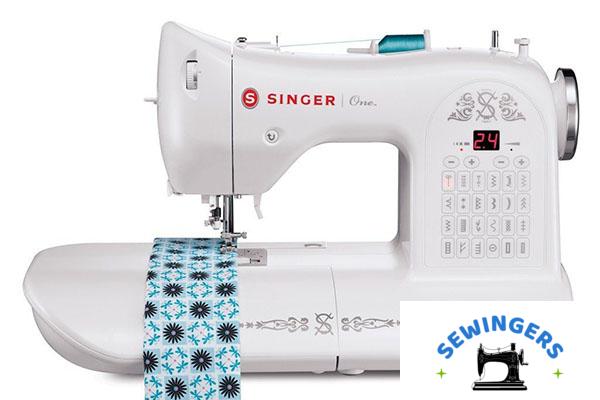
The Singer One Plus is a computerized sewing machine built for speed, consistency, and reduced manual setup.
At first glance, it looks like another mid-range machine. Clean white body, modern panel, nothing overly dramatic. But once you start using it, the difference shows up in small moments—like when stitches come out identical without constant tweaking.
Core Highlights
- 231 built-in stitches, including utility, decorative, and stretch options
- SwiftSmart™ automatic needle threader, which trims setup time significantly
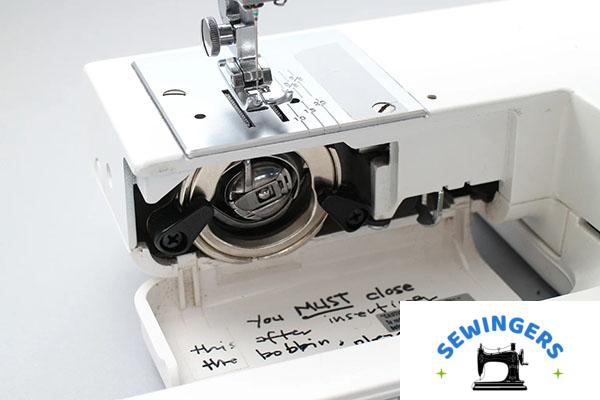
- Drop & Sew™ bobbin system, eliminating the usual bobbin guesswork
- Heavy-duty internal metal frame, adding stability at higher speeds
Now, here’s the interesting part. In the United States, sewing isn’t just a hobby anymore—it’s tied to side income, sustainability, even stress relief. Platforms like Etsy and Pinterest have pushed more people toward making instead of buying.
Retail clothing prices have increased roughly 15–25% over the past few years (U.S. Bureau of Labor Statistics), and what tends to happen is people start hemming, altering, then eventually creating from scratch.
That’s where machines like this sit—right in that transition phase.
2. Design and Build Quality
The Singer One Plus combines a lightweight exterior with a reinforced internal metal frame for stability and longevity.
You’ll notice the balance immediately. It’s not feather-light like entry-level Brother models, but it’s also not a bulky quilting machine that demands a dedicated table.
Build Features That Actually Matter
- Stable base reduces vibration at higher speeds
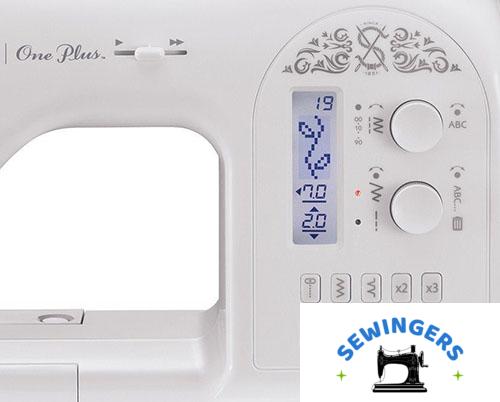
- Clear LCD screen simplifies stitch selection
- Wide sewing surface supports larger projects like quilts or curtains
In smaller American living spaces—think studio apartments or shared craft rooms—space becomes part of the decision. This machine fits comfortably on standard tables from IKEA or Walmart, which sounds minor until you’ve tried squeezing a full quilting machine into a tight corner.
And yes, that happens more often than expected.
There’s also a subtle confidence in the way it handles thicker fabrics. Not industrial-level power, but enough to avoid that frustrating stalling when layering denim or batting.

3. Performance and Stitch Capabilities
The Singer One Plus offers 231 stitch options with computerized precision, ensuring consistent results across multiple fabric types.
Stitch variety sounds impressive on paper, but the real question is whether you’ll actually use them.
Surprisingly, yes—over time.
Stitch Categories
- Utility stitches for seams and repairs
- Stretch stitches for knits and activewear
- Decorative stitches for embellishments
- One-step buttonholes for garments
What tends to happen is this: you start with basic straight stitches, maybe a zigzag here and there. Then holidays roll around—Halloween costumes, Christmas stockings—and suddenly decorative stitches don’t feel optional anymore.
The computerized control helps maintain uniform stitch length and width, especially when switching fabrics. Without that, consistency becomes a constant adjustment game.
And that game gets old fast.
4. Ease of Use for Beginners and Intermediate Sewers
The Singer One Plus reduces beginner friction through automation features that eliminate common setup frustrations.
There’s a moment every new sewer hits—thread breaks, bobbin jams, tension confusion—and that’s usually where machines either help or quietly push people away from the craft.
This model leans toward helping.
Features That Simplify the Process
- Automatic needle threader (saves eye strain and time)
- Drop-in bobbin system (no more guessing thread direction)
- Adjustable speed control (useful for cautious beginners)
- Start/stop button (sew without a foot pedal)
Now, some users hesitate about skipping the foot pedal. Feels unnatural at first. But after a few projects, especially for detailed work, that button becomes oddly addictive.
According to Craft Industry Alliance data, ease of use ranks among the top three factors influencing first-time machine purchases in the U.S. And that checks out—most people don’t quit sewing because it’s boring; they quit because it’s frustrating.
This machine removes a lot of those early exits.
5. Comparison: Singer One Plus vs Competitors
The Singer One Plus competes directly with Brother CS7000X and Janome 4120QDC in the US mid-range sewing machine market.
Here’s where things get a bit nuanced. No machine wins across every category.
Comparison Table
| Feature | Singer One Plus | Brother CS7000X | Janome 4120QDC |
|---|---|---|---|
| Stitch Count | 231 | 70 | 120 |
| Speed | High (~750–850 stitches/min) | Moderate | Moderate |
| Weight | Heavier | Lightweight | Medium |
| Ease of Use | High | Very High | High |
| Quilting Features | Basic | Moderate | Advanced |
| Price (USD) | $300–$500 | $200–$300 | $400–$600 |
Practical Differences
- Singer vs Brother: Singer offers more speed and stitch variety, while Brother feels lighter and more beginner-friendly
- Singer vs Janome: Singer focuses on versatility, while Janome leans toward precision quilting
Seasonal pricing also plays a role. Black Friday and Labor Day sales often drop Singer models by 15–30%, especially at retailers like Joann Fabrics or Walmart.
So timing matters more than most buyers expect.
6. Ideal Projects for American Households
The Singer One Plus supports a wide range of home and small-business sewing projects.
Projects evolve. What starts as hemming jeans turns into making curtains, then maybe selling handmade items online.
Common Use Cases
- Home décor (throw pillows, curtains, table runners)
- Quilting projects (lap quilts, patchwork designs)
- Apparel alterations (hemming, resizing garments)
- Holiday crafts (ornaments, costumes, stockings)
- Small business production (Etsy shops, local markets)
There’s a noticeable trend across the U.S.—handmade goods continue to grow in demand. Etsy alone reports over 90 million active buyers (Etsy Annual Report), and many sellers operate from home setups.
Machines like this sit right in that “serious hobby meets small business” zone.
7. Maintenance and Long-Term Durability
Consistent maintenance extends the Singer One Plus lifespan beyond 5–10 years under regular use.
Maintenance sounds boring. It usually gets ignored until something goes wrong.
And then—well, repairs cost more than expected.
Practical Maintenance Habits
- Clean lint after every 1–2 projects
- Oil moving parts as recommended in the manual
- Use high-quality thread to prevent tension issues
- Store in a dry, dust-free environment
Singer’s reputation in the United States goes back to the 1800s. That legacy still influences buying decisions today. It doesn’t guarantee perfection, but it does mean parts and servicing are widely available.
That availability matters more after year three or four, when wear starts to show.
8. Pros and Cons
The Singer One Plus balances versatility and automation with a few trade-offs in weight and specialization.
Pros
- Wide stitch variety (231 options)
- Fast stitching speed for larger projects
- Beginner-friendly automation features
- Durable internal metal frame
Cons
- Heavier than entry-level machines
- Mid-range price may feel steep for casual use
- Not optimized for advanced quilting techniques
Weight, interestingly, becomes both a pro and a con. Stability improves, but portability drops. That trade-off shows up the first time you try to move it between rooms.
9. Is the Singer One Plus Worth It in the US Market?
The Singer One Plus is worth buying for American sewists who need a reliable, mid-range computerized machine with long-term versatility.
Here’s the thing—value depends heavily on how often the machine gets used.
If sewing happens once every few months, the investment feels excessive. A basic mechanical model handles occasional hemming just fine.
But for regular use—weekly projects, seasonal crafts, or small business production—this machine starts to justify itself pretty quickly. Time saved on threading alone adds up more than expected. Stitch consistency reduces rework. And fewer frustrations mean more finished projects.
And that’s usually the tipping point.
Machines don’t just produce better results—they influence whether projects get completed at all.