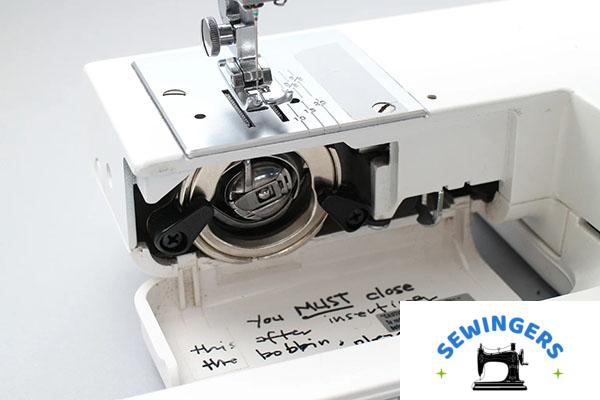
A quilting sewing machine is essential for creating high-quality quilts with precision and ease. Unlike standard sewing machines, quilting models offer specialized features such as adjustable stitch length, free-motion quilting capabilities, and precise thread tension control, making them ideal for handling multiple fabric layers. Whether you’re a beginner looking for an affordable quilting sewing machine or an experienced quilter searching for the best quilting sewing machine, understanding key features will help you make the right choice.
In this guide, we’ll explore what sets a quilting machine apart, from enhanced presser foot options to smooth fabric feed mechanisms that ensure even stitching. You’ll learn about stitch variety, sewing speed, durable machine construction, and bobbin winder efficiency, all crucial factors in choosing the top sewing machine for quilts. By the end, you’ll have a clear understanding of which model best suits your quilting needs and budget.
Contents
Key Features to Look for in a Quilting Sewing Machine
Choosing the right quilting sewing machine requires attention to specific features that enhance precision, ease of use, and fabric handling. One of the most important aspects is a large throat space, which allows ample room for maneuvering bulky quilts. Machines with extension tables further improve workspace, making it easier to handle large projects. Additionally, an adjustable presser foot pressure is essential for accommodating different fabric thicknesses, preventing puckering or distortion.
Other essential features include a stitch regulator for consistent stitch length, quilting feet like a walking foot for even fabric feeding, and a needle plate designed for smooth stitching. A reliable bobbin system ensures efficient thread management, while LED lighting improves visibility. Features like a knee lifter allow hands-free presser foot adjustments, increasing convenience. Whether you’re using a long-arm quilting machine or a domestic model, investing in these key features will significantly enhance your quilting experience.
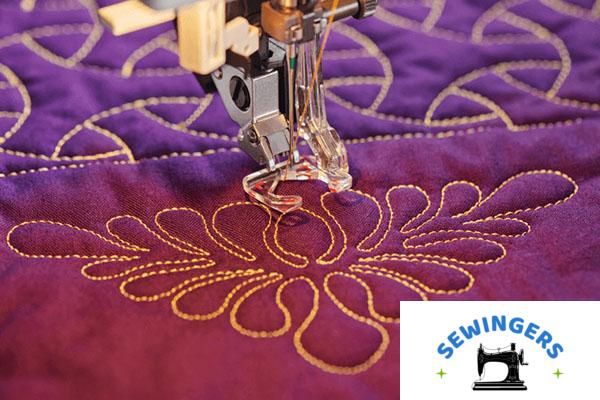
5 Top-Rated Quilting Sewing Machine With Reviews
A high-quality quilting sewing machine is essential for achieving precise stitches, smooth fabric handling, and long-lasting durability. Whether you’re a beginner or an experienced quilter, the right machine can significantly impact your sewing efficiency and finished results. Factors like stitch quality, sewing speed, ease of use, and included accessories determine how well a machine meets your quilting needs. Features such as adjustable stitch length, consistent thread tension, and a specialized quilting foot enhance the quilting experience, ensuring each stitch is even and secure.
This article reviews the best quilting machines based on performance, user reviews, and advanced features. From computerized quilting machines with automatic adjustments to heavy-duty models that handle thick fabric layers, we’ll explore the top options available. Whether you’re searching for a top-rated sewing machine for quilting or a versatile computerized model, this guide will help you find the perfect match for your quilting projects.
1. Brother SQ9185 Computerized Sewing and Quilting Machine

The Brother SQ9185 is a computerized sewing and quilting machine designed for versatility and ease of use. It features 185 built-in stitches, including 8 one-step buttonholes and 130 decorative, utility, and heirloom stitch patterns, making it a great choice for both beginners and experienced sewists. The LCD screen allows for quick stitch selection, while the stitch memory function helps users save frequently used patterns. Additionally, the automatic needle threading system and top drop-in bobbin streamline setup, reducing frustration and saving time.
For quilting, the Brother SQ9185 excels with its removable wide table, which provides extra workspace for larger projects. The feed dog system ensures smooth fabric movement, while adjustable presser foot pressure allows for better control over different materials. The free arm feature makes it easy to sew cylindrical pieces like sleeves and pant hems. However, while this quilting sewing machine handles most fabrics well, it struggles with thick or heavy materials like denim and leather. Despite this, users praise its affordability, lightweight design, and LED-lit workspace, making it one of the best Brother sewing machines for quilting in its price range.

2. Juki HZL-F600 Computerized Sewing And Quilting Machine
The Juki HZL-F600 is a high-performance computerized sewing and quilting machine designed for precision and efficiency. With a 900 stitches-per-minute speed, it caters to professional quilters who need both speed and accuracy. The box feed system ensures smooth fabric feeding, preventing shifting or stretching—especially on thick fabrics like denim or multiple quilt layers. Additionally, the large extension table provides ample workspace for oversized projects, making it an excellent choice for quilting large blankets or intricate designs.
One of the biggest strengths of the Juki HZL-F600 is its powerful motor and customizable settings, including stitch pattern memory, tension adjustment, and a speed control slider. These features allow users to tailor their sewing experience based on fabric type and project complexity. The knee lifter and dual feed system enhance ease of use, particularly for quilting professionals handling heavy fabrics. However, its high price point and steep learning curve may not make it ideal for beginners. Expert reviews praise its industrial-grade performance, while users appreciate its versatility and durability. Overall, it’s one of the best Juki sewing machines for serious quilters and advanced sewists looking for precision and power
3. Brother XR3774 Full-Featured Sewing And Quilting Machine

The Brother XR3774 is a budget-friendly quilting and sewing machine designed for beginners and casual quilters. It features 37 built-in stitches, including decorative, quilting, and zigzag stitches, making it versatile for various sewing projects. The drop feed system enhances free-motion quilting, allowing users to move fabric freely without feed dog interference. This feature is essential for intricate quilting designs. Additionally, the automatic bobbin threading system and stitch guide simplify setup, making the machine easy to use.
Despite its affordability, the Brother XR3774 includes multiple presser feet, such as a zigzag foot, quilting foot, and buttonhole foot, ensuring compatibility with different fabric types. The quilting bar helps maintain even stitch spacing, while sewing speed control provides precision for beginners. However, this machine has limited stitch options and may not be ideal for professional quilting projects. Real user reviews highlight its lightweight build, smooth operation, and ease of learning, though some note that the feed dog cover could be improved for better stitch consistency. Overall, the Brother XR3774 is one of the best beginner quilting machines, offering great value for home sewing and quilting enthusiasts.
4. Juki TL2000QI Quilting Sewing Machine
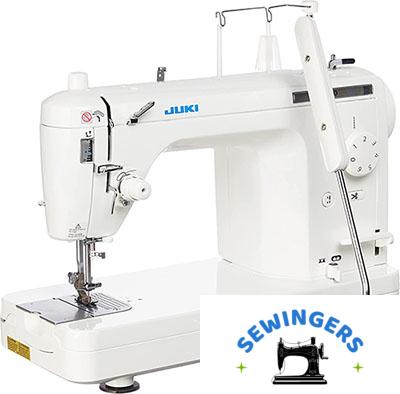
The Juki TL2000QI is a high-speed quilting machine designed for professional sewists who demand precision and power. With a stitch speed of 1,500 stitches per minute, it ensures fast, consistent, and detailed quilting, making it ideal for piecing, applique, and free-motion quilting. The aluminum die-cast frame provides durability while minimizing vibration, ensuring a smooth sewing experience even at high speeds. Equipped with an automatic thread trimmer, a free-motion foot, and a thread stand, this industrial-quality sewing machine supports both intricate designs and heavy-duty quilting projects.
Despite its strengths, the Juki TL2000QI has some limitations. It is a straight-stitch-only machine, which may not suit those looking for decorative stitching options. Additionally, its higher price point reflects its industrial-grade performance, making it a significant investment for serious quilters rather than casual hobbyists. However, expert reviews and user ratings consistently praise its stitch precision, durability, and ease of use, solidifying its position as one of the best Juki quilting machines for professionals.
5. Brother Designio Series DZ3000 Sewing And Quilting Machine

The Brother Designio Series DZ3000 is a computerized sewing and quilting machine designed for versatility and ease of use. It features 240 built-in stitches, including decorative, heirloom, and quilting stitches, making it ideal for both beginners and advanced users. The machine comes with 14 presser feet, including a walking foot, which is essential for even fabric feeding when quilting. Other advanced functions include an automatic needle threader, needle up/down positioning, and an easy-to-load bobbin case, ensuring precision and efficiency in every project. The LCD display allows for effortless stitch selection, making it easy to customize projects with different buttonhole styles, twin needle stitching, and presser foot adjustments.
One of the biggest strengths of the Brother DZ3000 is its feature-rich design at an affordable price, making it one of the best Brother quilting machines in its class. It’s particularly beginner-friendly, with intuitive controls and step-by-step guides. However, its plastic build is a drawback, as it lacks the durability of high-end Juki quilting machines. Despite this, customer reviews highlight its smooth operation, advanced quilting functions, and excellent stitch variety. Experts praise its computerized precision, stating that it offers high-end features without the hefty price tag. For sewers looking for a quilting machine with accessories that balances affordability with innovation, the Brother DZ3000 is a strong contender.
Conclusion: Which Quilting Sewing Machine is Best for You?
Choosing the best quilting sewing machine depends on your skill level, budget, and quilting needs. For beginners, the Brother XR3774 offers a user-friendly interface with essential quilting features at an affordable price. If you’re looking for a budget-friendly machine, the Brother SQ9185 balances cost and performance, offering a variety of stitches and quilting capabilities. Professional quilters will benefit from the Juki TL2000QI, a high-speed machine designed for precision and durability. For heavy-duty quilting, the Juki HZL-F600 provides superior stitch quality, robust construction, and advanced quilting functions. If versatility is your priority, the Brother DZ3000 is the best option, featuring a wide range of stitches and accessories for various quilting styles.
When comparing quilting machine performance, stitch variety, durability, and price, the right choice depends on your specific needs. Beginners and budget-conscious users may prefer Brother models, while professionals and heavy-duty quilters will find Juki machines more suitable. If versatility is key, the Brother DZ3000 offers the most flexibility. Evaluating customer ratings, quilting features, and price vs. performance will help you select the top-rated quilting machine that fits your quilting journey.