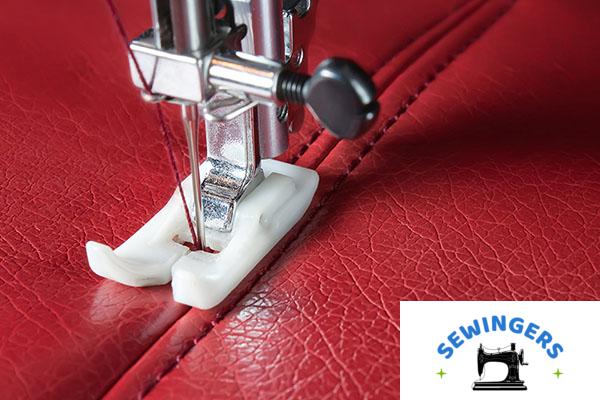
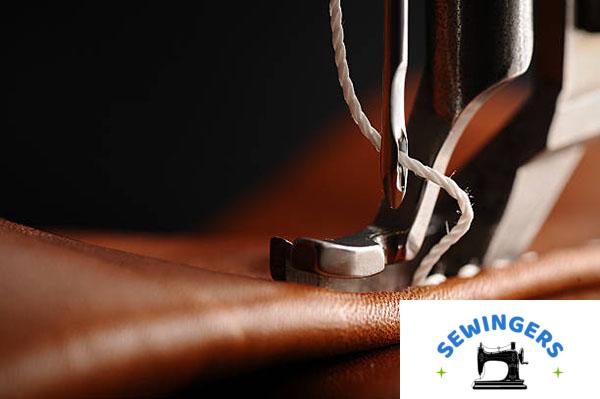
Leather doesn’t forgive a weak machine. The material is thick, dense, and unforgiving — and if your sewing machine isn’t built for it, you’ll know within the first few stitches. The needle skips, the feed drags, the thread bunches. It’s frustrating in a way that makes you want to throw the whole project out the window.
That’s why picking the right machine matters before you start, not after. This review covers seven machines that actually handle leather well — not just on paper, but in practice. A few of them surprised me. Some have quirks worth knowing about. Here’s the full picture.
Contents
What to Look For Before You Buy
Most buying guides list features. This one starts with the part people skip: knowing what kind of leather you’re actually working with.
Thin garment leather — the kind used for jackets or gloves — is forgiving. A heavy-duty home machine handles it fine. But if you’re stitching through thick vegetable-tanned leather, bag straps, or multiple stacked layers, you need a machine with real torque, not just a “heavy-duty” label on the box.
A few things worth checking:
- Motor power: At least ½ horsepower for genuine leather. Less than that and the motor strains at full thickness.
- Needle compatibility: Look for 135×17 or 135×16 leather needles. Not all machines accept them.
- Feed system: A walking foot or compound feed prevents the leather from shifting as it moves through. Regular presser feet tend to drag or leave marks.
- Speed control: Faster isn’t always better here. Leather requires precision, and a machine you can run slowly — with full power — is more useful than one that runs smooth only at high speed.
Machine type matters too. Residential machines work for occasional projects. Heavy-duty and industrial models are built for sustained use and thicker material. The machines below cover the full range.
Best Leather Sewing Machines
Singer Heavy Duty 4423
The Singer 4423 is where most people start — and for good reason. It punches above its price point and handles leather without flinching, at least for mid-weight projects. The 23 built-in stitches cover most practical needs, and the automated threading system saves time when you’re switching thread colors frequently.

Core Features
- 23 built-in stitches
- Automated needle threading
- Transparent bobbin cover for easy monitoring
- Heavy-duty metal frame
- 25-year limited warranty
What works: The metal frame holds up over time, and the machine delivers roughly 1,100 stitches per minute — fast enough for production use. It handles leather cleanly when paired with the right needle.
What doesn’t: Amazon reviews mention jamming at the feed area more than they should. It’s not universal, but it comes up often enough that it’s worth knowing before you buy.
For someone doing occasional leather bags or belts, the 4423 is a solid, practical choice. For daily heavy use, it starts to feel like a compromise.
Singer Sew Mate 5400
The Sew Mate 5400 is more than the basic 4423 — 60 stitches instead of 23, fully computerized systems, and an LED work light that makes a real difference when you’re working with dark leather. It’s lighter than it looks, which makes it easier to move around a workshop.

Core Features
- 60 built-in stitches (many decorative)
- Automated threading system
- LED work light
- Fully computerized controls
- 25-year limited warranty
What works: The stitch variety is genuinely useful — decorative stitching on leather edges and straps looks much cleaner with more options to choose from. The computerized interface is intuitive once you’re familiar with it.
What doesn’t: The work table is small. If you’re pulling a large leather panel through, you’ll feel the limitation quickly. The feed jams are reported here too, similar to the 4423.
Good machine for a leatherworker who also does other fabric projects and wants flexibility. Less ideal as a dedicated leather-only machine.
Sailrite Heavy-Duty
The Sailrite looks old. It kind of is old — in design, at least. But the design works, and that’s the point. This machine was built for sail-making, which means it was engineered to push through canvas, vinyl, and thick material without hesitation. Leather is well within its range.
Core Features
- 100% power transfer system
- Patented posi-pin clutch
- Built-in piping tunnel
- Four bobbins included
- Guidebook for stitch selection
What works: The 100% power transfer means every pedal push goes directly into the needle — nothing lost. The high presser foot lift gives real clearance for thick stacked layers, which matters on bag construction. The included guidebook is actually useful, not just marketing material.
What doesn’t: No automatic threading. It’s a minor inconvenience that becomes less minor over a long work session.
Professional leatherworkers and upholstery workers give this machine overwhelmingly positive reviews. For heavy bags and structured leather goods, it’s hard to beat. The design looks dated. The results don’t.
Singer Quantum Stylist 9960
Six hundred stitches. That number sounds like marketing, and some of it is — but the Quantum Stylist backs it up with genuinely useful stitch variety and a computerized interface that’s more capable than most home machines. The LCD screen and auto-pilot stitching feature change how you interact with the machine, especially on long repetitive runs.

Core Features
- 600 built-in stitches
- 13 one-step buttonhole designs
- Fully computerized with LCD display
- Power control and automatic reverse
- 850 stitches per minute
What works: The speed and stitch range make it effective for leather work that involves decorative detail. The computerized systems are well-integrated and not just gimmicks.
What doesn’t: Feed jamming is a known issue, same as with other Singer models in this range. Setup takes time if you haven’t used a computerized machine before — plan for a learning curve.
For denim and lighter leather, this is one of the most capable machines in the review. For very thick leather, the Sailrite or a dedicated industrial machine would serve better.
Singer Tradition 2259
The Tradition 2259 is the entry-level option here — and that’s not a criticism. Nineteen stitches, a single 4-step buttonhole, and a metal frame. It doesn’t have the feature list of the Quantum Stylist, but it does have the metal construction and the power to stitch through leather without struggling.

Core Features
- 19 built-in stitches
- One 4-step buttonhole
- Heavy-duty metal frame
- Free arm sewing
- 25-year limited warranty
What works: The free arm is useful for sleeves and tube-shaped leather pieces. The automatic threader saves time. For a first machine or a budget purchase, it covers the essentials well.
What doesn’t: Bobbin-area jamming is reported by users. It seems to be a recurring Singer pattern across multiple models in this price range.
If you’re new to leatherwork and not ready to invest in a dedicated machine, the 2259 gets the job done. It won’t expand with your skills the way a higher-end machine will, but it won’t disappoint you either.
Janome HD 3000
The Janome HD 3000 solves one problem the Singer machines don’t: jamming. It’s designed to be jam-proof — and based on user reviews, it mostly lives up to that. At 860 stitches per minute, it’s also the fastest machine in this review, which matters when you’re working through a large project.

Core Features
- Jam-proof design
- 860 stitches per minute
- 18 built-in stitches
- Adjustable presser foot pressure
- Automatic needle threader
What works: The jam-proof mechanism is the standout feature here. For anyone who’s lost time dealing with feed jams on other machines, that reliability changes the experience. The speed is genuine, not rated under ideal conditions.
What doesn’t: The HD 3000 only accepts 110V input, which is standard in the US but limits options internationally or in workshops with different power setups.
Among the machines reviewed here, the Janome HD 3000 offers the best combination of reliability and speed for regular leather use. It’s the machine you stop thinking about — which is what you want.
Brother ST371HD
Brother machines have a reputation for consistency, and the ST371HD earns it. Thirty-seven built-in stitches, a metal frame, an LED light, and 800 stitches per minute — it’s a well-rounded machine that handles leather without drama.

Core Features
- 37 built-in stitches
- Metal internal frame
- LED work light
- 800 stitches per minute
What works: The LED light is brighter than the Singer equivalent. The stitch variety sits between the basic Tradition and the feature-heavy Quantum Stylist — enough for creative work without being overwhelming. Lightweight for its frame size, which helps if you move it around.
What doesn’t: The outer shell has plastic components that users report break more easily than expected. The internal frame is solid; the exterior isn’t.
Good reviews on Amazon, and deservedly so. The plastic shell is a real downside if you’re rough on equipment, but the actual sewing performance holds up.
How to Choose Between These Machines
The honest answer is that it depends on what you’re making and how often you’re making it.
For occasional projects — a wallet, a simple bag, leather repairs — the Singer 4423 or Tradition 2259 works fine. They’re affordable, capable enough, and backed by a 25-year warranty. The jamming issue is real but manageable if you’re not running the machine for hours at a stretch.
For regular leather work with thicker material, the Janome HD 3000 is the practical choice. The jam-proof design alone justifies the price difference. The Sailrite is the right call if you’re doing heavy bag construction or work that resembles upholstery — the power transfer and compound feed handle what most home machines can’t.
The Singer Quantum Stylist 9960 is the pick if decorative stitching is part of your work and you want the flexibility of 600 stitch options. It’s commercial-grade in terms of output, though it still carries Singer’s jamming tendency.
Speed, stitch count, and warranty terms are worth comparing, but reliability over time tends to matter more than any spec on the box. The machines with the best long-term user reviews — the Janome and Sailrite — are the ones where the design prioritized durability over features.
There’s no single “best” machine here. There’s the one that fits your projects, your budget, and your tolerance for maintenance. Most people pick the wrong machine by optimizing for the wrong variable. Know what you’re actually building before you decide.