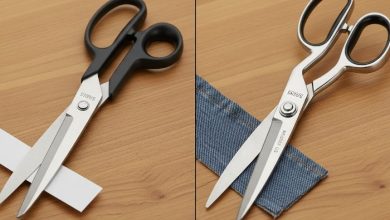
SINGER 8-1/2-Inch ProSeries Heavy Duty Bent Sewing Scissors – Professional Cutting Power

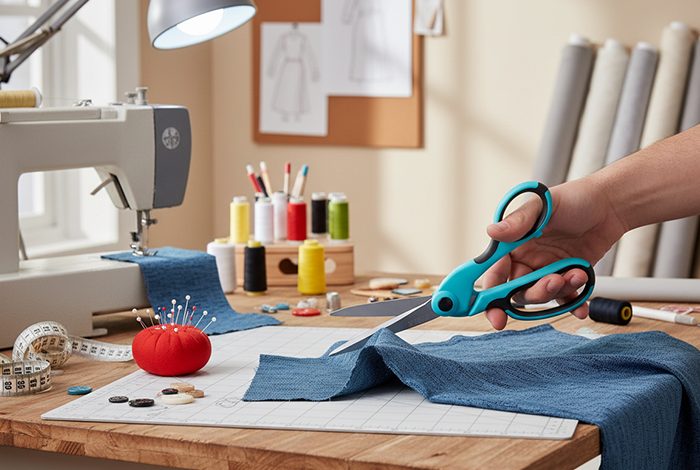
You know that one tool you never loan out? The one that lives in a specific drawer, away from glue guns, paper snips, and any reckless family member who might try to “just cut a tag real quick”? For me, that’s the SINGER 8-1/2-Inch ProSeries Bent Sewing Scissors. I’ve gone through enough cheap scissors in my early sewing years to learn: when you find a pair that actually does what it promises—smooth cuts, real comfort, and no fraying—you hold onto it.
Contents
- 1 Key Takeaways
- 2 Professional-Grade Design for Serious Sewing
- 3 High Carbon Steel Blades for Precision Cutting
- 4 Bent Blade Shape for Tabletop Accuracy
- 5 Comfortable Rubber Handle for Extended Use
- 6 Ambidextrous and Lightweight Construction
- 7 Ideal Uses in the American Craft Lifestyle
- 8 Style, Dimensions, and Visual Appeal
- 9 Brand Trust, Ratings, and Market Reputation
- 10 Warranty, Value, and Long-Term Reliability
- 11 Quick Comparison: How Do They Stack Up?
- 12 Final Thoughts
Key Takeaways
- High carbon steel blades give you crisp, clean cuts—even through denim and canvas
- Bent blade design keeps fabric flat and stable on the cutting table
- Ergonomic rubber handle reduces strain in long sessions
- Ambidextrous grip works for left- or right-handed folks (I’ve tested it on both)
- Ideal for all types of sewing: quilting, tailoring, mending, and crafty side gigs
Professional-Grade Design for Serious Sewing
Now, I’ll admit—I didn’t expect professional quality from a pair under $20. But these scissors? They surprised me. The ProSeries build actually feels sturdy enough for daily wear and tear. Whether you’re snipping curved seams, trimming quilt edges, or hacking through upholstery-weight blends (yes, I’ve tried), they handle it without complaint.
They’re not just for pro studios either. You’ll find them in a lot of home sewing rooms—including mine—because they strike that rare balance: tough enough for professionals, but accessible enough for beginners. And unlike those scissors that fall apart after six months, these stay consistent.
High Carbon Steel Blades for Precision Cutting
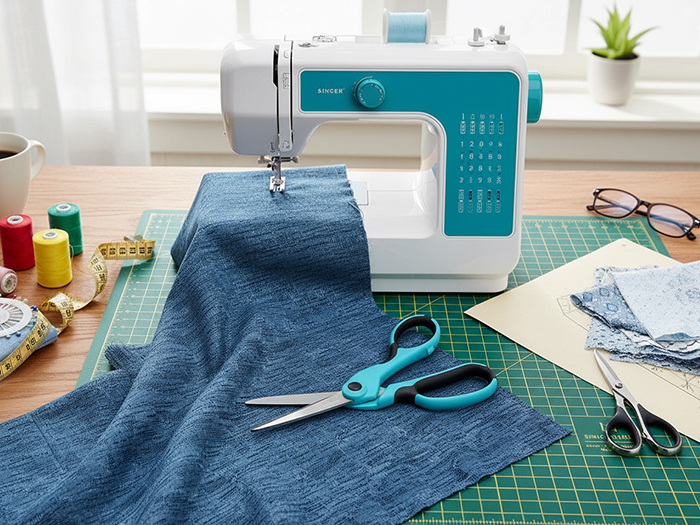
What I’ve found is, blade material matters more than most people think. These high carbon steel blades have kept their edge far longer than the stainless ones I used to buy at big box stores. They’re sharp through the tip, which—if you’re trimming seams or cutting inside curves—you’ll absolutely notice.
They glide through heavier fabrics like canvas, twill, duck cloth, even a layered quilt sandwich. Not flawlessly every time (let’s be real), but cleanly enough to avoid ragged edges.
For perspective: This 2023 comparison from The Strategist ranked carbon steel among the most reliable for textile work—especially for thick or multi-layer cuts.
Bent Blade Shape for Tabletop Accuracy
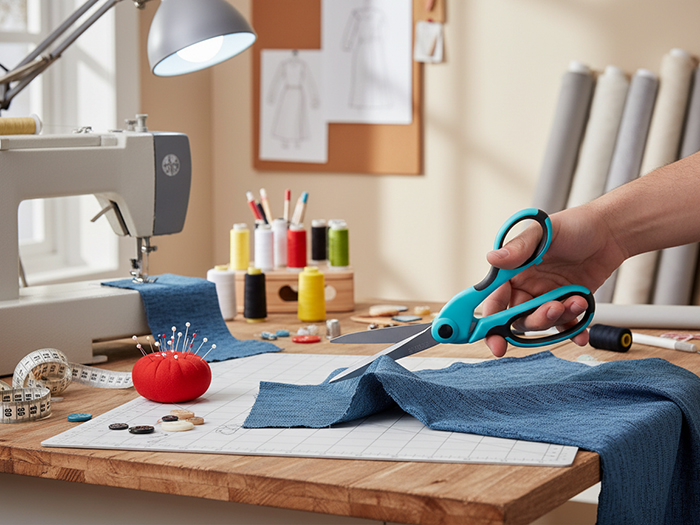
If you’ve ever wrestled with flat-laying fabric that refuses to stay put while you cut, you’ll get why the bent design matters. It lets the blades sit flush against the table, which helps your fabric stay flat instead of puckering or shifting.
It also saves your wrist—especially during marathon prep for quilts or garment cutting. There’s less awkward hand angling, which means less fatigue over time. For me, this design is especially helpful on large patchwork layouts, where precision across several feet of fabric really counts.
Quilters, you’ll appreciate this: Quilting Daily’s tool roundups consistently praise bent blades for maintaining accuracy when cutting multiple strips or squaring up large blocks.
Comfortable Rubber Handle for Extended Use
You know when you’re deep in the zone—trimming bias tape, grading seams, cutting darts—and your hand starts to cramp? That used to stop me mid-project. These handles changed that.
The soft rubber grip has just enough give to feel cushioned without slipping. I’ve done full evenings of cutting (maybe not ideal, but deadlines happen), and my fingers didn’t feel raw or tired afterward.
Now, if you have arthritis or sensitive joints, it’s not a miracle fix—but it’s a big upgrade from hard plastic handles. That tactile difference matters more than I expected.
Ambidextrous and Lightweight Construction
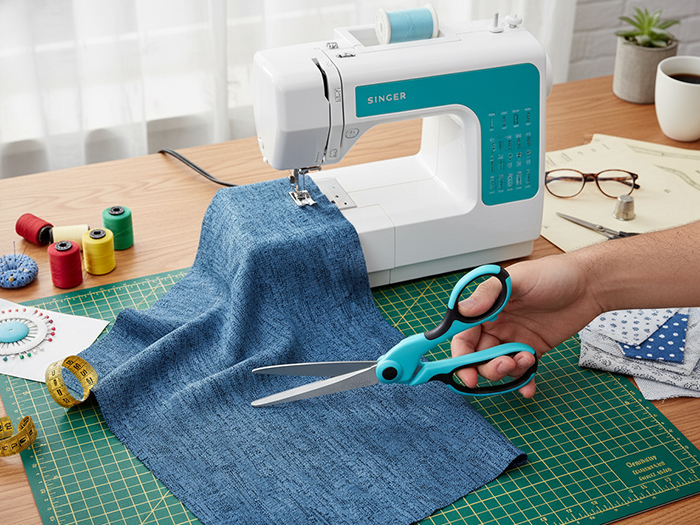
Here’s something I didn’t expect: my left-handed friend tried these and said, “I could actually use these.” That’s not common. Most scissors fight lefties every step of the way, but these work comfortably in either hand.
They’re also lightweight—just 1.6 ounces, which I weighed out of curiosity—so you don’t feel like you’re lifting garden shears. It’s the kind of thing you don’t notice until you switch back to a heavier pair and wonder why your hand’s sore.
Ideal Uses in the American Craft Lifestyle
I use mine for everything: trimming seam allowances, cutting interfacing, prepping patches, even slicing ribbon for handmade gift wrap (don’t judge). They work across the board.
If you’re into quilting, tailoring, or small-batch crafting (I run a seasonal Etsy shop), they hold up. I’ve even used them on leather—very carefully—and while I wouldn’t make a habit of that, they didn’t flinch.
Worth noting: Craft Industry Alliance highlights tools like these as part of the rise in home-based sewing startups across the U.S. This tool fits right into that trend.
Style, Dimensions, and Visual Appeal
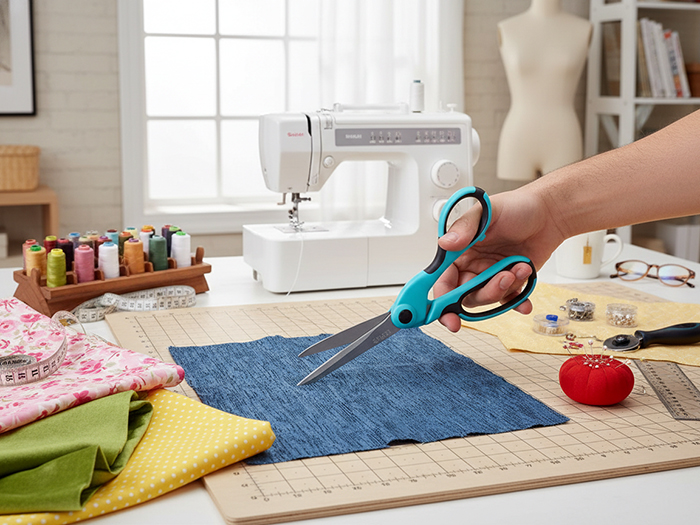
Here’s a fun twist: they actually look good. The teal handle gives them a modern edge, so they don’t blend into the clutter like those plain grey ones do. At 8.5 inches, they’re the right size for precision cutting without feeling dinky. They fit my smallish hands easily, but I’ve had friends with larger hands say the handle feels roomy enough.
Also? They fit in standard sewing boxes. That’s not always the case with shears this strong.
Brand Trust, Ratings, and Market Reputation
Look—SINGER’s been around for over 170 years. It’s the kind of name that makes people nod in recognition, especially among American sewists. I grew up seeing my grandmother’s old SINGER machine, so there’s some emotional weight here too.
But beyond nostalgia, these scissors are rated 4.8 out of 5 by 7,000+ reviewers on Amazon, with consistent praise for sharpness and comfort. That many crafters backing it? Says a lot.

Warranty, Value, and Long-Term Reliability
You’re not buying a gimmick here. These come with a manufacturer’s warranty, and from what I can tell, they really are built to last. I’ve had mine over 2 years, and they’re still slicing like week one.
They’re not “budget” scissors, but they are affordable—especially when you factor in how long they last. I’d rather buy these once than replace $9 scissors three times a year.
Quick Comparison: How Do They Stack Up?
| Feature | SINGER 8.5″ ProSeries | Generic Fabric Shears (Big Box) | Premium Tailor Shears ($40+) |
|---|---|---|---|
| Blade Material | High Carbon Steel | Stainless (lower grade) | Forged Carbon Steel |
| Bent Blade Design | Yes | Sometimes | Yes |
| Ergonomic Handle | Rubber Grip | Hard Plastic | Molded Soft Grip |
| Left-Handed Compatible | Yes | Rare | Some models only |
| Weight | 1.6 oz | ~2.2 oz | ~3–4 oz |
| Price Range | ~$17 | ~$9 | ~$40–$60 |
| Best For | Everyday to heavy use | Occasional light sewing | Couture, formal tailoring |
My take? Unless you’re doing couture tailoring daily, the SINGER ProSeries hits the sweet spot of performance, comfort, and cost. It’s the pair I reach for 9 times out of 10.
Final Thoughts
If you’re building—or upgrading—your sewing toolbox, don’t sleep on the scissors. I’ve learned the hard way that dull blades kill your momentum. These? They make you want to keep cutting.
Are they fancy? No. But they work, and they last. And in a world of throwaway tools, that’s worth something.
Sources