Okay, so I want to talk about something that took me way too long to figure out — and that’s how much a good pair of fabric scissors actually matters. I used to grab whatever was in the junk drawer, and I’d wonder why my cotton kept snagging or why my chiffon was sliding all over the cutting mat. Turns out, it wasn’t my technique. It was my scissors.
Once I switched to a real dedicated pair of fabric shears, cutting became one of those things I actually didn’t dread. Fabric glides, edges stay clean, and I’m not fighting the tool anymore. I’ve tested a lot of pairs over the years (some were great out of the box and dulled fast, some felt awkward at first and became my absolute go-tos), and I’m sharing everything I learned below.
Contents
- 1 Key Takeaways
- 2 How I Rated These Scissors
- 3 Quick Comparison
- 4 The Best Sewing Scissors, Reviewed
- 4.1 1. Westcott 13901 Titanium Bonded Sewing Scissors — Best Overall
- 4.2 2. Gingher 8-Inch Knife Edge Dressmaker’s Shears — Best Premium Shears
- 4.3 3. P.Lotor Professional Stainless Steel Serrated Pinking Shears — Best Pinking Shears
- 4.4 4. Livingo Multi-Purpose Titanium Heavy Duty Tailor Scissors — Best for Thick Fabrics
- 4.5 5. BIHRTC Gold Vintage Scissors — Best for Embroidery
- 4.6 6. Fiskars 8-Inch Razor-Edge Softgrip Scissors — Best Ergonomic Option
- 4.7 7. Pink Power Electric Cordless Fabric Scissors — Best Electric Scissors
- 4.8 8. Gingher 4.5-Inch Knife Edge Thread Nippers — Best Thread Snips
- 4.9 9. Singer Bundle (8.5″ Scissors, Detail Scissors, Thread Snips) — Best Beginner Bundle
- 4.10 10. ClearCuts Bundle (10″, 8.5″, 5.5″ Scissors) — Best Multi-Size Set
- 5 Sewing Scissors vs. Shears: What’s Actually the Difference?
- 6 How to Choose the Right Sewing Scissors
- 7 Care and Maintenance
- 8 Final Thoughts
- 9 Sources
Key Takeaways
- Blade material matters — titanium-coated and high-carbon steel hold their edge noticeably longer than basic stainless steel
- Scissors and shears aren’t the same thing — the handle shape changes how they behave during tabletop cutting
- Most sewists eventually end up with at least two or three pairs for different tasks (big cuts, detail work, thread trimming)
- Paper dulls fabric scissors fast — keep a separate pair just for patterns
- Ergonomic handles make a real difference if you’re cutting for more than 30 minutes at a stretch
How I Rated These Scissors
I looked at five things for every pair I tested: blade material and edge quality, how they cut across different fabrics (cotton, fleece, denim, felt, lightweight chiffon), handle comfort during long sessions, how well they held up over time, and whether the price actually matched the performance. I tested each one on the same fabrics so I could compare them fairly.
Some scissors that looked gorgeous in the package turned out to dull after a few rounds of denim. Others felt a little clunky at first and ended up being the ones I reached for the most.
Quick Comparison
| Product | Rating | Best For | Blade Material | Price Range |
|---|---|---|---|---|
| Westcott 13901 Titanium Bonded | 9.9/10 | Everyday sewing | Titanium bonded stainless steel | Under $25 |
| Gingher 8-Inch Knife Edge Shears | 9.8/10 | Professional tailoring | High-carbon steel | $40–$60 |
| P.Lotor Pinking Shears | 9.8/10 | Seam finishing | Stainless steel | Under $20 |
| Livingo Heavy Duty Tailor Scissors | 9.5/10 | Thick fabrics | Titanium-coated steel | $20–$30 |
| BIHRTC Vintage Scissors | 9.5/10 | Embroidery | Stainless steel | Under $15 |
| Fiskars Razor-Edge Softgrip | 9.1/10 | Ergonomic comfort | Precision stainless steel | $25–$35 |
| Pink Power Electric Scissors | 9.1/10 | Arthritis support | Electric blade system | $40–$70 |
| Gingher Thread Nippers | 8.9/10 | Thread trimming | Forged steel | Under $20 |
| Singer Sewing Bundle | 8.9/10 | Beginners | Stainless steel | Under $30 |
| ClearCuts Multi-Size Set | 8.9/10 | Versatility | Stainless steel | $25–$40 |
One thing I kept noticing: the gap between budget and premium has genuinely gotten smaller over the past few years. Some of the affordable options here surprised me. That said, if you’re doing a lot of garment work, the premium shears still feel different in your hand — and that difference adds up across a long cutting session.
The Best Sewing Scissors, Reviewed
1. Westcott 13901 Titanium Bonded Sewing Scissors — Best Overall
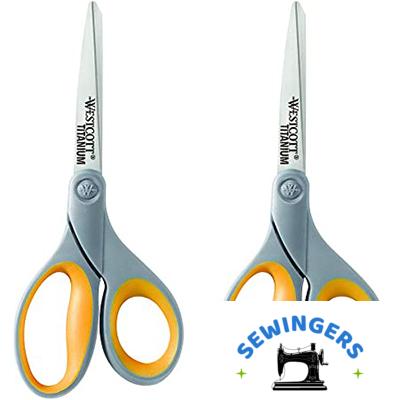

I was honestly a little skeptical going in, because under $25 for a “great” pair of fabric scissors felt like a stretch. But these actually delivered. The titanium-bonded blades stayed sharp through repeated denim and fleece cuts in a way that basic stainless steel just doesn’t.
The lightweight feel is also something I didn’t expect to appreciate as much as I did. After an hour of trimming pattern pieces on the dining room table, hand fatigue was barely a factor. (That’s genuinely rare at this price point.)
Pros:
- Excellent edge retention for the price
- Lightweight — great for longer cutting sessions
- Under $25
- Smooth on quilting cotton
- Comfortable for medium-sized hands
Best for: Everyday sewing, quilting, general crafts
These aren’t going to power through thick upholstery — that’s not really what they’re built for. But for most home sewing projects? They honestly punch above their weight. I’d recommend these to pretty much anyone who’s been cutting fabric with whatever random scissors they had lying around.
2. Gingher 8-Inch Knife Edge Dressmaker’s Shears — Best Premium Shears
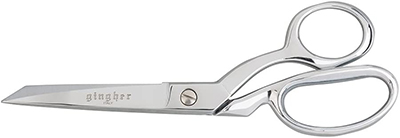
Gingher shears have this almost cult-like following among serious sewists, and after using them, I totally get it. The knife-edge blade doesn’t just cut fabric — it slices through it. Silk stayed controlled. Multiple cotton layers barely slowed things down. Even denim came out with clean edges.
They’re heavier than most scissors in this roundup, and that weight is actually part of why they work so well for long straight cuts. Smaller hands might find them slightly bulky at first, but most people adjust after a project or two.
Pros:
- Forged high-carbon steel blades
- Exceptional balance during long cuts
- Long-lasting sharpness
- Precise, controlled feel
Best for: Tailoring, garment construction, professional sewing work
If you’re doing serious garment work and you’ve been putting off investing in a real pair of shears — these are worth it. The $40–$60 range feels like a lot until you actually use them.
3. P.Lotor Professional Stainless Steel Serrated Pinking Shears — Best Pinking Shears
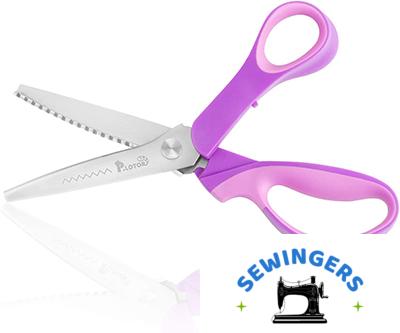
Pinking shears are one of those tools that either work really well or make you want to throw them across the room. Cheap versions tend to jam halfway through anything thicker than cotton voile. These didn’t do that.
The zigzag edges they leave reduce fraying without needing a serger, which is honestly so useful when you’re doing quick projects or costume work. (I’ve used pinking shears more times than I can count for Halloween costumes — they save so much finishing time.)
Pros:
- Sharp serrated teeth that cut cleanly
- Strong stainless steel build
- Budget-friendly under $20
- Reliable on felt and quilting cotton
Best for: Seam finishing, decorative edges, costume making
Thick denim still takes some effort — but that’s true of pretty much every pinking shear out there, so I wouldn’t hold it against these specifically.
4. Livingo Multi-Purpose Titanium Heavy Duty Tailor Scissors — Best for Thick Fabrics

If you’re regularly cutting denim, upholstery fabric, or anything that makes your other scissors hesitate — these are worth knowing about. They handled thick fleece and heavy denim seams without flinching, which is more than I can say for a lot of scissors in this price range.
They’re heavier, so a long cutting session can start to feel tiring. That’s just the trade-off with powerful fabric shears — more cutting strength means more weight. For the kind of heavy-duty projects these are built for, it’s worth it.
Pros:
- Titanium-coated blades with great corrosion resistance
- Comfortable ergonomic grip
- Strong cutting force on thick layers
Best for: Denim, upholstery, heavy fabrics
5. BIHRTC Gold Vintage Scissors — Best for Embroidery

Tiny embroidery scissors are one of those things nobody talks about until they need them — and then they use them constantly. Loose threads, stabilizer trimming, tight corners on needlework. All of that is so much easier with a dedicated small pair.
These BIHRTC ones have a gorgeous vintage gold finish that I genuinely love having on my sewing table. But they’re also actually sharp, which is the part that matters. The pointed tips reach into tight spots surprisingly well.
Pros:
- Fine-point tips for precise detail work
- Elegant gold finish — they look great on display
- Excellent for thread trimming
- Compact and easy to store
Best for: Embroidery, needlework, detailed craft projects
6. Fiskars 8-Inch Razor-Edge Softgrip Scissors — Best Ergonomic Option

Fiskars is one of those brands that’s been in American sewing rooms forever for a reason — they’re consistent. The Softgrip handle on these reduces hand pressure noticeably during repetitive cutting, which sounds minor until you’ve pushed through a quilting project and your thumb joint is not happy with you.
The blade performs beautifully on cotton and fleece. Thick upholstery is a bit past their sweet spot, but honestly most home sewing falls well within what these can handle.
Pros:
- Razor-edge blades for clean cuts
- Soft ergonomic grip reduces hand fatigue
- Lightweight feel
- Smooth cutting action on everyday fabrics
Best for: Long sewing sessions, beginners, everyday fabric cutting
7. Pink Power Electric Cordless Fabric Scissors — Best Electric Scissors
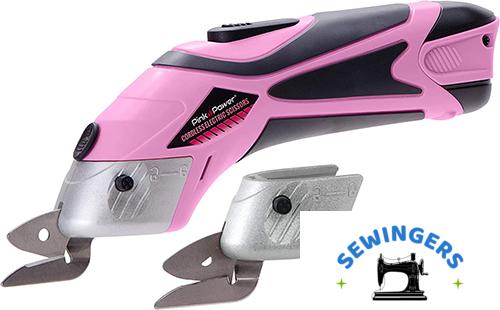
Electric fabric scissors used to feel like a gimmick. Older versions had weak motors or died mid-project. These are genuinely different. The Pink Power cordless scissors cut through multiple layers while taking almost all the hand and wrist strain out of the equation — which is huge if you have arthritis or any kind of joint issues.
Straight cuts feel excellent. Tight curves and intricate detail work still favor regular shears — the electric blade isn’t designed for that kind of precision. But for high-volume cutting in straight lines, these are really useful.
Pros:
- Cordless and easy to maneuver
- Much easier on hands and wrists
- Fast through multiple fabric layers
- Great for anyone with arthritis or limited hand strength
Best for: Frequent crafters, seniors, high-volume cutting projects
8. Gingher 4.5-Inch Knife Edge Thread Nippers — Best Thread Snips

Thread snips are a quality-of-life thing — once you have a good pair sitting right next to your machine, you’ll wonder how you managed without them. Instead of constantly reaching for big scissors to trim threads between seams, it becomes almost automatic.
These Gingher nippers feel compact and sturdy. The spring tension is firm at first, but it loosens with regular use and becomes noticeably smoother over time.
Pros:
- Sharp knife-edge blades
- Portable — great for travel sewing kits
- Durable steel construction
- Excellent thread control
Best for: Quilting, thread trimming, travel sewing kits
9. Singer Bundle (8.5″ Scissors, Detail Scissors, Thread Snips) — Best Beginner Bundle

Most starter kits include scissors that feel fine for about two projects and then start to drag. This Singer bundle is different — the performance is better than expected for under $30. You get three tools that cover most basic sewing needs without overwhelming your workspace or your budget.
The detail scissors ended up being the real standout for me. Clean, precise trimming for small adjustments — genuinely better than I expected at this price.
Pros:
- Three cutting tools in one affordable set
- Trusted brand with good quality control
- Under $30
- Good value for beginner sewists
Best for: Beginners, basic sewing projects, budget-conscious buyers
10. ClearCuts Bundle (10″, 8.5″, 5.5″ Scissors) — Best Multi-Size Set

Large shears are great for pattern cutting but feel completely awkward when you’re trying to do any kind of detailed trimming. This set solves that by giving you three different blade lengths — 10″, 8.5″, and 5.5″ — so you’re not using the wrong tool for the job.
The larger dressmaking shears handled broad fabric cuts smoothly. The smaller embroidery scissors offered decent precision. Neither is elite-level performance, but the overall balance across all three sizes is really solid for the price range.
Pros:
- Three sizes for different cutting tasks
- Comfortable handles across all three
- Good versatility for shared sewing spaces
- Strong overall value
Best for: Multi-purpose sewing, shared craft rooms, home sewing setups
Sewing Scissors vs. Shears: What’s Actually the Difference?
People use these words interchangeably all the time, but the design difference is real and it changes how the tool behaves.
Scissors
- Symmetrical handles — both finger loops are the same size
- Better for lighter cutting tasks and detail work
- Common in embroidery, needlework, and crafts
Shears
- One larger handle loop (fits multiple fingers) and one smaller loop (thumb only)
- Designed specifically for tabletop fabric cutting
- Better leverage for long, straight cuts through multiple layers
Dressmaker’s shears in particular have that bent handle design that keeps the lower blade close to the table surface while you cut. It sounds like a small thing, but it reduces fabric lifting and shifting in a way that makes a noticeable difference during long pattern sessions. Thread snips, on the other hand, are almost like an extension of your fingertips — tiny, fast, for quick trimming only.
How to Choose the Right Sewing Scissors
Blade Material
High-carbon steel holds a sharp edge longer than basic stainless steel. Titanium-coated options add corrosion resistance on top of durability. In a real sewing room, edge retention matters more than anything else — because dulling happens gradually. First the fabric starts folding slightly instead of cutting. Then you notice small frays at the edges. Eventually cutting starts to feel more like a chore than it should.
Blade Length
Different lengths genuinely serve different purposes:
- 8-inch scissors: Standard sewing and fabric cutting — the most versatile size
- 10-inch shears: Large pattern pieces and upholstery work
- 4–5 inch scissors: Thread trimming, embroidery, detail work
Most experienced sewists end up collecting a few different sizes naturally over time. (It’s not a bad problem to have, honestly.)
Handle Comfort
Ergonomic handles matter more than people expect, especially for quilting or any project that involves a lot of repetitive cutting. Softgrip handles reduce pressure around the thumb joint. Offset handles improve wrist positioning slightly. None of these feel dramatic until you’re 45 minutes into trimming and your hand is tired — that’s when you really notice.
Fabric Type
Lightweight cotton cuts easily with most decent fabric scissors. Heavy denim, leather, and thick upholstery require stronger blades and more leverage. The mismatch between scissors and fabric is one of the most common reasons sewists get frustrated — and it’s almost always the tool, not the technique.
Care and Maintenance
Good fabric scissors last a long time with basic upkeep. A few things that actually make a difference:
- Keep a separate pair of scissors just for cutting paper — paper fibers contain minerals that dull fabric scissors faster than most people realize
- Wipe the blades after each use
- Store them in a dry spot (humidity encourages corrosion, especially with carbon steel blades)
- Sharpen once a year if you’re using them regularly
Final Thoughts
For most home sewists, the Westcott 13901 Titanium Bonded Scissors are the easiest recommendation — great sharpness, lightweight feel, and under $25. If you’re doing serious garment work or tailoring, the Gingher 8-Inch Knife Edge Shears are worth the investment. The precision difference becomes obvious once you’ve used them.
And honestly? Sewing scissors get weirdly personal. Some sewists love the feel of a heavier shear because it feels stable. Others need something lightweight because wrist strain is a real thing. The “best” pair usually depends less on ratings and more on what you’re actually cutting and how long you’re cutting it.
I hope this helps you find your go-to pair — let me know which ones you end up with in the comments!
with love, Ali
Sources
[1] Craft Industry Alliance Reports on U.S. Sewing and Craft Trends[2] National Center for Preservation Technology and Training — Material Wear Studies