
The Difference Between Scissors and Shears: What Every American Household Should Know

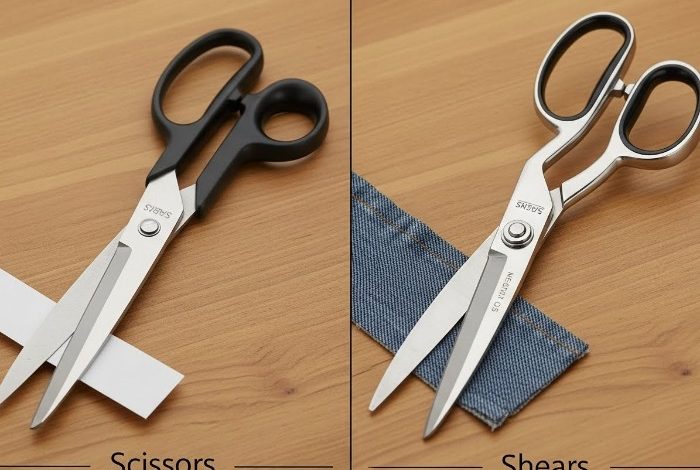
You ever open a kitchen drawer, pull out what you think are scissors, try to cut through some thick cardboard or twine, and just end up awkwardly sawing at it until you give up? Yeah—same here. For years, I didn’t think twice about the difference between scissors and shears. I used the terms interchangeably, assumed they were basically the same thing, and couldn’t understand why some worked better than others for certain tasks.
But once I got deep into sewing—running Sewingers.com, testing dozens of cutting tools, and comparing the way they’re built and used in American homes, craft rooms, salons, and even backyards—it clicked. There’s a real difference. And it’s not just about size—it’s about design, ergonomics, intent.
This guide? It’s for you if you’ve ever wondered:
- Why your scissors feel useless for fabric
- Whether shears are “just fancy scissors”
- What brands actually make quality tools in the U.S.
- How to avoid wasting money on the wrong one
Let’s break it down.
Contents
Key Takeaways
Let’s get the essentials out first. If you remember nothing else, remember this:
- Scissors are small (usually under 6 inches), symmetrical, and made for lightweight tasks like paper or crafts.
- Shears are longer, stronger, and often have offset or asymmetrical handles, built for heavy-duty jobs—fabric, hair, gardening.
- U.S. brands like Fiskars, Westcott, and Gingher specifically design both types differently for home vs. professional use.
- Choosing the right one makes cutting easier, safer, and way more precise.
What Are Scissors?
You’ve used them. You’ve lost them. And if you’ve ever had a junk drawer, you’ve probably got two pairs tangled in a twist tie right now.
In basic terms, scissors are a type of hand-held cutting tool with:
- Blades under 6 inches
- Identical handle loops (ambidextrous-friendly)
- A straight design meant for lighter materials
You’ll typically see them:
- In school supply kits (blunt tip for safety)
- On office desks (for paper, envelopes, tape)
- In craft drawers (for cutting lightweight fabric or thread)
I use my little Westcott pair almost daily—for snipping threads, trimming stabilizer, or even just opening packaging. They’re great, but once I tried to cut canvas with them? Total fail. That’s where shears come in.
What Are Shears?
Okay, so shears are scissors’ tougher, more serious cousin. Think of them like the heavy-duty pickup truck compared to the compact commuter car.
You’ll notice a few physical shifts:
- Longer blades—typically 6 inches or more
- One larger finger loop for better control
- Often offset handles that line up with your wrist
You’ll find shears in all kinds of roles:
- Tailoring shears for pattern cutting (I use Gingher 8” dressmaker shears—life-changing.)
- Gardening shears for pruning branches or thick stems
- Kitchen shears with serrated blades for cutting meat or herbs
- Barber shears—sleek, precise, and scary-sharp
What I’ve found is that the longer blade isn’t just for reach—it’s about leverage. With shears, you can get through thick layers in one smooth motion, rather than hacking at it like a raccoon in a trash can.
Physical Differences: Size, Handles, Blades
Let’s break this down a bit more visually:
| Feature | Scissors (Home Use) | Shears (Heavy-Duty/Pro Use) |
|---|---|---|
| Blade Length | Usually under 6 inches | Typically over 6 inches |
| Handle Loops | Same size, symmetrical | One loop larger than the other |
| Handle Position | Centered on blades | Offset for ergonomic wrist alignment |
| Use Case | Paper, lightweight fabric, crafts | Haircutting, tailoring, gardening, cooking |
| Grip & Leverage | Less leverage, basic grip | More leverage, often cushioned ergonomic grip |
I’ll be honest—until I noticed the offset handle design in shears, I didn’t realize why cutting with scissors made my hand ache after five minutes. The way the handle aligns your wrist makes a huge difference over time.
Use Case Scenarios in U.S. Contexts
Now, this is where things get real. I’ve got scissors and shears in nearly every room, and they each serve a different purpose. You’ve probably got a similar setup without even realizing it.
Here are a few common American household scenarios:
- Kitchen:
- Use shears to spatchcock a chicken, cut herbs, or open tough packaging.
- Don’t use craft scissors unless you enjoy broken blades and food contamination.
- Elementary Schools:
- Kids use safety scissors—blunt tips, plastic handles.
- They’re training wheels for future crafting.
- Crafting Corners:
- Lightweight scissors for paper, cardstock, felt.
- But for cutting quilting cotton? Grab your fabric shears.
- Salons & Barber Shops:
- Precision is everything. Barber shears are surgically sharp and sized for control.
- Gardens:
- You need pruning shears to get through branches. Regular scissors will crumple like overcooked pasta.
U.S. Brands: Scissors vs. Shears
Let’s talk brands, because not all are created equal—and I’ve tried my share over the years.
- Fiskars (Minnesota-based)
Known for bright orange handles and versatile household tools. Great budget-friendly shears and scissors. - Westcott
More common in schools and offices. They make excellent safety and craft scissors. - Gingher (Owned by Fiskars)
Their dressmaker shears are top-tier for fabric. I have two pairs—one for cotton, one I guard like a dragon.
Where you shop matters too.
Target often sells combo packs (decent for home use). Amazon has more pro options but watch for fake reviews. Walmart usually stocks Westcott and basic Fiskars. Specialty fabric stores? That’s where you’ll find the real gems.
10 Best Sewing Scissors and Shears Reviewed & Rated
Professional vs Home Use
This part tripped me up early on.
- Barbers use shears that cost $100+ for a reason. That kind of precision doesn’t come from $6 scissors off the clearance rack.
- Home cooks use kitchen shears to break down meat—whereas a chef might use professional-grade tools with micro-serrated blades.
- DIY crafters can get away with decent utility scissors, but if you’re tailoring or quilting? Invest in shears that actually glide.
The difference isn’t just price—it’s wear and tear, control, and accuracy.
Safety Considerations
Here’s the part no one thinks about until someone (usually a kid or distracted adult) gets nicked.
- Child-safe scissors have rounded tips, plastic guards, and barely sharp blades.
- Some kitchen shears come with locking mechanisms (bless them).
- I keep blade caps on my Ginghers and always store them in a drawer with a soft liner—no tossing them in with knives or screwdrivers.
Also? Don’t leave your good shears out. I had a guest once use my fabric shears to open a blister pack. I still haven’t forgiven them.
Maintenance & Sharpening
If you’ve ever tried to cut fabric and found your scissors “chewing” it instead of slicing, it’s probably time for a sharpening.
Here’s what’s worked for me:
- Check them every 3–6 months (more often if you sew or craft a lot).
- Use a sharpening stone or specialized scissors sharpener.
- Oil the pivot joint once in a while (just a drop of sewing machine oil does wonders).
- Wipe blades after every use to prevent rust or gunk buildup.
Fiskars actually offers a sharpening service for some of their tools. Local hardware stores may do it too—but call ahead, not all of them handle shears.
How to Choose the Right Tool
You don’t need a drawer full of tools. But you do need the right tool for the task.
Here’s a quick checklist I go by:
- What are you cutting?
- Paper? Go with utility scissors.
- Fabric? Invest in quality shears.
- How often?
- Occasional use? Basic Westcotts will do.
- Daily use? Upgrade to ergonomic, high-carbon steel shears.
- Budget?
- Under $20: Great basic scissors/shears.
- Under $50: Excellent mid-tier tools with longevity.
- Over $50: Professional quality.
And if you’re reading this during Labor Day or Black Friday, this is your sign—look for bundles and sharpening kits on sale. Amazon’s review filters can help (but scroll past the first 5–6 reviews to get real opinions).
Final Thoughts
So yeah—scissors and shears? Not the same thing. Not even close, once you’ve felt the difference.
Once you start noticing how they feel in your hand, how they glide (or snag), and how tired your wrist is after 10 minutes—you’ll never confuse them again.
If there’s one thing I’d leave you with, it’s this: don’t let a $12 mistake ruin a $40 yard of fabric or your child’s art project or your own hand comfort. Use the right tool. Your hands (and projects) will thank you.
And hey—next time someone asks why your sewing scissors are off-limits? Just send them this article.


