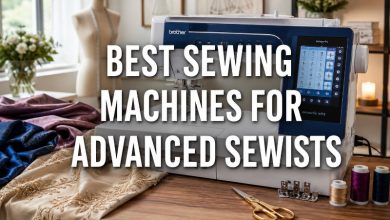
The Brother PE770 embroidery machine is a game-changer for anyone looking to combine creativity with functionality. Known for its user-friendly design and professional-grade capabilities, the PE770 has become a staple for both beginners and seasoned embroidery enthusiasts. Its large embroidery area of 5″ x 7″ enables you to craft intricate designs with ease, while the intuitive touchscreen interface ensures seamless navigation through various customization options.
What sets the Brother PE770 apart is its USB compatibility, allowing users to import endless embroidery designs effortlessly. With features like automatic thread cutting and a vast library of built-in patterns, the PE770 is more than just an embroidery machine—it’s a tool that transforms ideas into stunning embroidered creations. Whether you’re a hobbyist or a small business owner, the Brother PE770 stands out as a reliable companion in the world of embroidery.
Contents
- 1 Key Features and Specifications of the Brother PE770
- 2 Pros and Cons of the Brother PE770
- 3 Performance and Durability of the Brother PE770
- 4 Maintenance and Longevity
- 5 Comparing the Brother PE770 with Other Embroidery Machines
- 6 How to Set Up and Use the Brother PE770
- 7 Cost and Value for Money: Is the Brother PE770 Worth It?
- 8 Common Issues and Troubleshooting Tips for Brother PE770
- 9 Accessories and Add-Ons for the Brother PE770
- 10 Customer Reviews and Feedback: Insights on the Brother PE770
- 11 Who Should Buy the Brother PE770?
- 12 Final Thoughts on the Brother PE770
Key Features and Specifications of the Brother PE770
The Brother PE770 embroidery machine offers a variety of advanced features designed for both beginners and seasoned embroidery enthusiasts. Its 5×7-inch embroidery area allows for larger, more intricate designs, accommodating projects such as monograms, logos, and custom patterns. The machine comes with 136 built-in embroidery designs, including floral patterns, geometric shapes, and decorative fonts, providing users with ample creative options. For even more personalization, the USB port enables seamless importing of custom designs, expanding the potential of your embroidery projects.
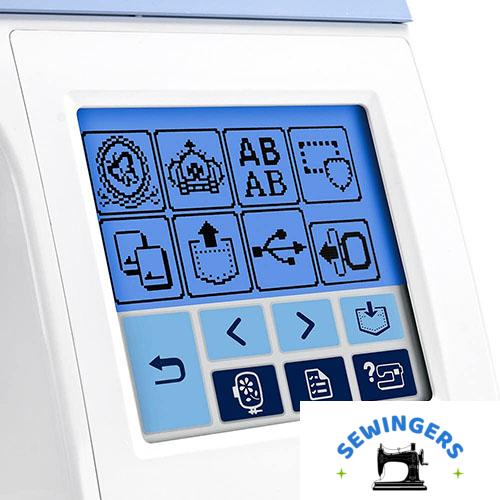
Another highlight is the LCD touchscreen, which simplifies navigation and design selection. This intuitive interface allows users to preview designs, adjust layouts, and access helpful tutorials directly on the machine. Additionally, the adjustable embroidery speed ensures precision, letting users control the pace to suit various materials and designs. Supporting features like automatic thread tension, multiple hoop sizes, and a high stitch count capacity further enhance the machine’s versatility.

Pros and Cons of the Brother PE770
The Pros: Why the Brother PE770 Stands Out
The Brother PE770 is praised for its ease of use, making it an excellent choice for beginners and experienced users alike. Its reliability ensures consistent stitching quality across projects. The machine features a wide design library with 136 built-in embroidery designs, including floral, geometric, and decorative patterns, allowing for creative versatility. Additionally, it supports a range of hoop sizes, offering compatibility for both small and larger designs. These features contribute to its reputation for cost-effectiveness in terms of performance and functionality compared to similar models.
The Cons: Where the Brother PE770 Falls Short
Despite its strengths, the Brother PE770 has limited functionality for multi-needle embroidery, making it less ideal for professional-level projects that require speed and efficiency. The price, while reasonable for hobbyists, might feel steep when compared to entry-level embroidery machines offering fewer features but a significantly lower cost. Some users have also noted challenges with threading that may require extra attention during setup.

Performance and Durability of the Brother PE770
The Brother PE770 embroidery machine is widely recognized for its exceptional performance and durability, making it a favorite among enthusiasts and professionals alike. This machine is built to withstand extended use, showcasing a robust motor strength that ensures reliable operation over time. Stitch consistency is one of its standout features, with precise tension settings that maintain uniformity across different materials. Additionally, the PE770’s material compatibility allows it to handle a variety of fabrics without compromising stitching quality, enhancing its versatility.
Maintenance and Longevity
One of the highlights of the Brother PE770 is its ease of maintenance, which contributes significantly to its longevity. Routine cleaning and straightforward upkeep ensure that the machine operates smoothly for years. Its wear and tear resistance is notably superior, minimizing the need for frequent repairs. Users also appreciate its straightforward design, which simplifies troubleshooting and part replacements. These features collectively underscore the PE770’s reputation for reliability, cementing its status as a durable, high-performing embroidery solution.

Comparing the Brother PE770 with Other Embroidery Machines
Brother PE770 vs Brother SE600
The Brother PE770 excels as a specialized embroidery machine with 138 built-in designs and a 5″x7″ embroidery hoop, offering a larger work area for intricate designs. In contrast, the Brother SE600 serves as a combination sewing and embroidery machine, providing more versatility for users who need both functions. However, its 4″x4″ embroidery hoop limits the size of designs it can accommodate. Additionally, the Brother SE600 features a color touchscreen for previewing designs, a feature absent in the PE770, making it more user-friendly for beginners. Price-wise, the Brother SE600 is typically more affordable, catering to hobbyists, while the PE770’s advanced capabilities justify its higher cost for dedicated embroidery enthusiasts.
Brother PE770 vs Bernina 570 QE
The Bernina 570 QE stands out with its precision stitching and adaptive thread tension system, making it ideal for professional quilters. Unlike the Brother PE770, the Bernina offers a dual-feed system, ensuring smooth fabric handling, particularly for layered materials. The PE770, however, is more accessible in terms of price and specializes in embroidery, with its extensive design library and USB compatibility for importing custom patterns. While the Bernina 570 QE supports multi-purpose sewing and quilting, its high price may be a barrier for users focused solely on embroidery tasks.
In summary, the Brother PE770 caters to embroidery enthusiasts with its robust design features and larger work area, whereas the Brother SE600 and Bernina 570 QE serve users seeking multifunctionality and advanced sewing capabilities, respectively. Choosing the right machine depends on your specific needs, budget, and project types.
How to Set Up and Use the Brother PE770
Step 1: Preparing and Setting Up Your Machine
To set up the Brother PE770 embroidery machine, start by unpacking and placing it on a stable, flat surface. Connect the power cable securely and turn on the machine using the power switch. Refer to the instruction manual for guidance on installing the embroidery arm and ensuring it clicks into place. Next, load your thread spool onto the holder and follow the numbered thread path to complete the threading process. Ensure the thread passes through the tension disc and ends at the needle for smooth operation.
Step 2: Hooping Fabric and Uploading Designs
Properly hooping your fabric is crucial for high-quality embroidery. Use the included embroidery hoop to secure your fabric, ensuring it is taut and wrinkle-free. Adjust the hoop’s screws to tighten as needed. To upload designs, transfer them from your computer or USB drive to the machine via the USB port. The PE770 supports .pes and .dst file formats. Use the LCD screen to navigate and select your design, previewing it before starting the stitching process.

Cost and Value for Money: Is the Brother PE770 Worth It?
The Brother PE770 embroidery machine stands out as a mid-range option, priced at approximately $600–$700, depending on the retailer. Its affordability combined with its feature-rich design makes it a compelling choice for home embroidery enthusiasts. Key features like a 5×7-inch embroidery area, built-in 136 designs, and USB connectivity justify the price, especially for hobbyists looking for professional-grade results. When compared to other machines in its price range, such as the Janome Memory Craft 200E, the PE770 often offers more advanced options, making it a cost-effective embroidery machine for its performance and versatility.
In terms of value for money, the Brother PE770 excels by balancing cost with functionality. Competitors in this segment sometimes lack features like USB compatibility or as many built-in design options. For users on a budget seeking a reliable embroidery machine that doesn’t compromise on performance, the PE770 represents an ideal choice. Its ease of use, coupled with low maintenance requirements, makes it a smart investment for those new to embroidery or looking to expand their creative projects.

Common Issues and Troubleshooting Tips for Brother PE770
Thread Breakage and Misalignment
Thread breakage is a frequent problem faced by Brother PE770 users, often caused by incorrect tension settings or unsuitable thread types. To resolve this, ensure the tension is adjusted to match the fabric and thread used. For example, lightweight threads like polyester work best with lower tension settings. Additionally, double-check the threading path to prevent tangling or obstructions. Misalignment of stitches often arises from using improper stabilizers or incorrectly hooping the fabric. To fix this, always use the recommended stabilizer for your fabric and ensure the hoop is tightly secured.
Screen Calibration and Operational Issues
Screen calibration issues can hinder functionality. Recalibrate the screen by following the Brother PE770 manual instructions, which typically involve using the touchscreen to reset alignment. Operational problems like skipped stitches may occur due to dull needles or incorrect threading. Replace needles every 8-10 hours of use or after stitching dense fabrics. Ensure the machine is well-lubricated to maintain smooth performance. If problems persist, refer to the troubleshooting section of the manual or contact Brother’s customer service for assistance
Accessories and Add-Ons for the Brother PE770
Elevate Your Embroidery with Essential Accessories
The Brother PE770 becomes even more versatile and efficient with the right accessories. Compatible embroidery hoops, such as 5×7-inch and smaller 4×4-inch hoops, allow for greater design flexibility. Adding specialty embroidery threads, including metallic and variegated options, enhances the vibrancy and texture of your designs. Additionally, high-quality needles designed specifically for embroidery machines ensure precise stitching and reduce thread breakage. Accessories like these not only improve the machine’s performance but also expand its creative possibilities.
Must-Have Add-Ons for Optimal Performance
Investing in an embroidery attachment bundle tailored for the PE770 can streamline your workflow. This often includes stabilizers, bobbins, and thread storage solutions, which help maintain organization and efficiency. For more advanced projects, consider specialty needle types, such as ballpoint needles for stretchy fabrics or sharp needles for dense materials. These add-ons ensure that your Brother PE770 operates at peak efficiency, making it easier to achieve professional-grade embroidery results.
Customer Reviews and Feedback: Insights on the Brother PE770
Brother PE770 reviews highlight the machine’s exceptional ease of use and reliability, making it a favorite among embroidery enthusiasts. Many users appreciate its intuitive interface and the extensive 5” x 7” embroidery field, which allows for larger, more intricate designs. The automatic needle threader and 650 stitches per minute speed are repeatedly praised in user testimonials for simplifying the embroidery process, especially for beginners. On popular review platforms, the PE770 often scores high on value for money and performance, with a significant number of users awarding it 4- or 5-star ratings.
However, some users report challenges with the machine’s thread tension and occasional jamming issues, particularly when using certain types of threads. A few reviews also mention the lack of built-in fonts as a drawback, especially for those focusing on monogramming projects. Despite these critiques, the overwhelming majority of user feedback underscores the PE770’s reliability and robust features, cementing its reputation as a versatile embroidery machine suitable for both hobbyists and professionals.
Who Should Buy the Brother PE770?
The Brother PE770 is an excellent choice for a variety of users, particularly hobbyists, small business owners, and embroidery enthusiasts. This embroidery machine offers a combination of user-friendly features and advanced capabilities, making it ideal for individuals who want to enhance their embroidery skills or streamline production for home-based businesses. With a 5″x7″ embroidery field, the PE770 is well-suited for creating larger designs on items like jackets, tablecloths, and quilts.
For small business owners and entrepreneurs, the Brother PE770 provides a cost-effective way to produce high-quality, customized embroidery projects for clients. Its compatibility with USB devices allows easy import of designs, making it a perfect tool for scaling operations. Additionally, beginners and personal crafters will appreciate its intuitive LCD screen and built-in tutorials, which simplify the learning curve and allow users to experiment with various designs without frustration. This versatility makes the PE770 a standout choice for expanding creative potential in embroidery.
Final Thoughts on the Brother PE770
The Brother PE770 excels as a versatile and reliable embroidery machine, making it a top choice for embroidery enthusiasts and professionals. Its exceptional embroidery quality, combined with user-friendly design features such as a built-in USB port and 5×7-inch embroidery area, ensures a seamless creative process. The machine’s usage flexibility, allowing compatibility with various designs and fabrics, further reinforces its appeal. This review highlights its strengths, especially its capability to deliver precision and innovation, catering to both beginners and seasoned users.
In conclusion, the Brother PE770’s overall value lies in its balance between performance and affordability. With high customer satisfaction and standout features, it proves to be a worthy investment for anyone passionate about embroidery. Its combination of reliability, advanced technology, and ease of use sets it apart as a machine built for consistent and high-quality results