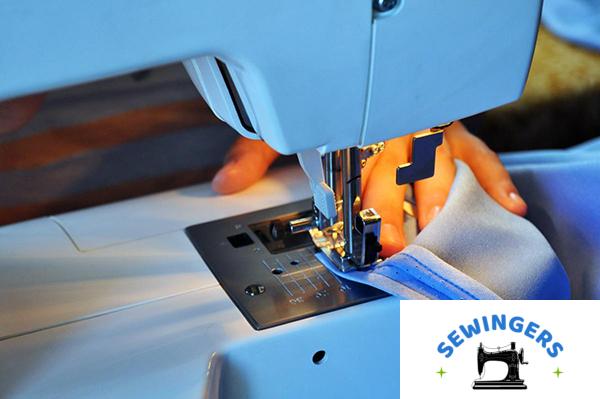
You know that sound your machine makes when it starts to wheeze a little? That dry-metal grind like something’s gasping for help under the stitch plate? Yeah, that’s your cue. I’ve ignored it before, thinking, “It’s probably fine.” Spoiler: it wasn’t. That little noise cost me $120 in repairs. After that, I started treating oiling as less of a chore and more of a ritual—like brushing out lint after a heavy sewing sprint, or tuning up the machine before the pre-holiday gift rush.
Whether you’re sewing patchwork quilts in Pennsylvania, running an Etsy shop out of your garage in Austin, or just hemming your kids’ pants in between laundry loads, keeping your sewing machine oiled is one of the smartest habits you can build. Especially if you’re working with reliable domestic brands like Singer, Brother, or Janome—they’re built to last if you show them a little care.
Now, I know not everyone gets excited about machine maintenance. But here’s the truth: regular oiling prevents noisy operation, overheating, and gear damage, and it keeps your machine running smooth through seasonal projects, busy months, and everything in between. It also saves you a heck of a lot on repairs (trust me—ask any repair tech how much they charge just to “clean and lube”).
Let me walk you through what’s worked for me—and the mistakes I won’t make twice.
Contents
Why Oiling Your Sewing Machine Matters
Most folks don’t think of sewing machines the way they think of cars. But honestly? It’s the same logic. You wouldn’t run a car 10,000 miles without an oil change, right? Well, I’ve seen home machines break down after just a year of regular use because they’d never been oiled. Not once.
What happens is this: over time, dust and lint build up around the wear points—the spots where metal meets metal. That friction builds heat. The parts wear out. And then something seizes up mid-stitch, usually when you’re already behind on a deadline.
In my case, the bobbin gear locked up the night before a local craft fair. I had to hand-finish five tote bags. Not fun.
Here’s what oiling prevents:
- Loud clunking or squealing noises
- Jerky or stiff handwheel rotation
- Overheating in internal gears (especially plastic ones)
- Motor strain that shortens machine life
I’ve read enough repair shop receipts to know it’s cheaper to spend 10 minutes oiling than $85+ on labor fees. Especially here in the U.S., where small sewing repair shops are often backlogged during the holidays.

When to Oil Your Sewing Machine
This part trips people up—especially newer sewers. The answer depends on how often you’re using your machine.
Here’s a rough breakdown I go by:
| Usage Level | Oiling Frequency | Example |
|---|---|---|
| Daily or heavy-duty | Once a week | Full-time sewers, Etsy shops, production |
| Weekly sewing sessions | Every 2–3 weeks | Hobbyists, weekend quilters |
| Monthly or seasonal use | Once a month or before each season | Holiday sewing, casual repairs |
If I know I’m going into Thanksgiving prep season, I oil my machine the first weekend of November. Same for late spring, when the quilt bees around here start back up.
And if you’re quilting for hours a day? Don’t wait. The stitch count adds up faster than you think. I’ve seen people clock over 10,000 stitches in a single project day.
Supplies You’ll Need
Now, here’s where people either get it right—or royally mess it up.
Only use sewing machine oil. Not WD-40. Not 3-in-1. Not olive oil. (Yes, I’ve heard that one before.)
Here’s what I keep in my maintenance kit:
- Sewing machine oil (I use Lily White or Zoom-Spout – both sold at Joann and Amazon)
- Lint brush (the tiny one that comes with your machine works; I also like makeup brushes)
- Microfiber cloth (old t-shirts work too)
- Small flat-head screwdriver (for the stitch plate screws)
- Magnifying glass (for spotting build-up in tight corners)
Optional: a precision-tip oiler if your bottle doesn’t have one. Those internal parts don’t want globs—they want drops. I’ve ruined fabric with excess oil dripping onto the feed dogs.
For reference, here’s a supply list from Sailrite’s official maintenance guide:
https://www.sailrite.com/Oiling-Your-Sewing-Machine

Preparing the Machine for Oiling
First off: unplug your machine. I know it seems obvious, but when you’re mid-project, it’s easy to forget. And trust me, accidentally hitting the foot pedal while cleaning near the needle bar? Not a fun surprise.
Here’s my routine before I oil:
- Remove the thread and bobbin. (Oil and thread don’t mix well.)
- Unscrew the stitch plate. That’s where most lint hides.
- Brush out dust from the bobbin case, feed dogs, and surrounding areas.
- Wipe down visible metal parts with a dry cloth—don’t use water.
- Consult the manual. Some machines want oil in different places (more on that in the next section).
I do a deeper clean every few months—like spring cleaning for the machine. Around March, when I’m reorganizing the sewing room anyway, I’ll usually give it the full once-over.
Where to Apply the Oil
This part varies a lot between brands. What’s true for a Singer may not apply to a Brother.
Here’s what I’ve noticed on common U.S. models:
| Brand | Typical Oil Points |
|---|---|
| Singer | Bobbin race, needle bar, presser foot lever, thread take-up lever |
| Brother | Shuttle hook area, needle bar shaft, sometimes motor linkage |
| Janome | Bobbin case track, upper shaft (if accessible), tension components |
Look for metal parts that move against each other. That’s where friction builds. If it’s plastic or electronic, don’t oil it.
Your manual should have a diagram (they’re often buried in the back section). If you don’t have the manual, most brands host them online:
I print mine and keep it in a binder right next to my bobbin stash.

How to Apply Sewing Machine Oil Properly
You only need one drop per point. That’s it. I used to over-oil and ended up with slick fabric and stained seams. It’s not about quantity—it’s about targeted precision.
Here’s how I do it:
- Rotate the handwheel slowly to spot moving parts.
- Apply a single drop of oil using a precision tip or the bottle’s nozzle.
- Wipe away any excess immediately with a cloth.
- Avoid the belts or electronics. No oil near those areas.
- Let it sit for 10–15 minutes. That gives the oil time to work into the joints.
And yeah, it smells a bit like a garage when you’re done—but in a satisfying way.
Testing and Final Steps
Before diving back into your project, I run the machine empty for about 60 seconds. No thread. No fabric. Just to let the oil circulate.
Then I take a scrap piece of cotton and do a few test stitches. If I see oil marks, I know I went overboard somewhere.
Things I check:
- Is the stitch consistent?
- Does the machine run quieter?
- Does the handwheel move smoothly?
- No slipping? No squeaks?
If anything feels off, I’ll go back and double-check the bobbin area. That’s usually the culprit.
Common Mistakes to Avoid
I’ve done most of these. Hopefully, you won’t have to.
Don’t use WD-40. It’s a solvent, not a lubricant. It breaks down oil over time and can gunk up your machine.
Don’t oil the motor. Seriously. I once tried that on an old Singer Touch & Sew. Smoke came out. Lesson learned.
Don’t store your machine in a hot garage or attic. The oil turns gummy in extreme temps.
Don’t skip cleaning first. Otherwise, you’re just turning dust into sludge.
And don’t overdo it. I used to think more oil = better performance. What it actually meant was ruined fabric and a slippery stitch plate.
Final Thoughts (and What I’ve Learned)
Oiling your machine doesn’t have to be some technical, intimidating task. It’s like a little tune-up that keeps everything humming—and honestly, it feels good. Like you’re taking care of a machine that’s helped you finish dozens of gifts, quilts, or sales.
These days, I oil mine every other Sunday while my coffee brews. It’s become part of the rhythm of sewing. And when the holidays roll around and I’ve got 14 mug rugs to crank out in three days? I’m not worrying about the gears jamming.
You don’t need to be a mechanic. Just someone who listens to their machine when it starts whispering, “Hey… I need a little love.”