You ever stand in front of a wall of sewing machines at a craft store and just… freeze? I’ve been there. Rows and rows of gleaming machines, each promising perfect stitches, smooth bobbin winding, and quilting magic—but which one actually fits your needs?
If you’re into quilting (or thinking about diving in), choosing the right machine isn’t just helpful—it’s critical. And with the U.S. DIY and quilting scene growing fast (thanks, pandemic craft boom), you’re not alone in wondering where to even start. According to Consumer Reports and insights from the American Sewing Guild, more Americans are sewing at home now than in the last two decades.
Let’s cut through the clutter. Below, I’ll walk you through the 8 major types of sewing machines sold in the U.S., with straight-up guidance on what works for quilting, what doesn’t, and how to not waste your budget on the wrong features.
Contents
- 1 1. Mechanical Sewing Machines (a.k.a. the Old Reliables)
- 2 2. Computerized Sewing Machines (The Upgrade That Feels Like Magic)
- 3 3. Embroidery Machines (For the Artist in You)
- 4 4. Overlock / Serger Machines (The Finishing Pros)
- 5 5. Quilting Machines (This Is Where the Magic Happens)
- 6 6. Industrial Sewing Machines (When You Mean Business)
- 7 7. Portable and Mini Sewing Machines (Cute, but…)
- 8 8. Combination Machines (The One-Stop Shops)
- 9 Final Tips: Choosing the Right Machine for You
- 10 Conclusion: Trust Your Needs (Not Just the Marketing)
1. Mechanical Sewing Machines (a.k.a. the Old Reliables)
If you’re just starting out or sticking to simple straight-line sewing, mechanical machines might be your best bet. These are the classic, no-screen, dial-and-lever machines that get the job done without the bells and whistles.
Why choose mechanical?
- Budget-friendly (you can often find a solid one under $150)
- Easier to troubleshoot—no software glitches
- Teaches you the “feel” of sewing (which I think is underrated)
What they don’t do well:
- No stitch memory, no automation
- Slower for big quilt projects
My pick: The Singer MX60 is a great example. Lightweight, intuitive, and reliable for light quilting. Just keep in mind: you’re adjusting stitch length and thread tension manually. Expect to get up-close and personal with that tension dial and reverse lever.
2. Computerized Sewing Machines (The Upgrade That Feels Like Magic)
Now, if you’ve been sewing for a while, or you’re serious about quilting… this is where things get exciting.
These machines have touchscreens, automatic thread cutters, and programmable stitch memory. Some even let you plug in a USB with custom stitch patterns.
Why go computerized?
- Accurate, consistent stitches (perfect for precision quilting)
- Time-saving automation: needle up/down, speed control, etc.
- Great for mixed-use: home décor, garments, quilting
My favorite? The Brother CS7000X. You get 70+ built-in stitch patterns, a speed control slider, and a drop-in bobbin system that almost never jams. I’ve quilted entire throws on this machine.
3. Embroidery Machines (For the Artist in You)
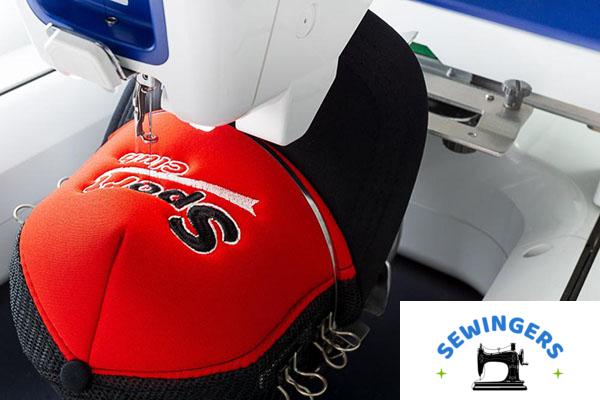
Here’s where things get fancy. If you’re into monograms, appliqué, or decorative quilting, an embroidery machine opens up a whole new world.
They use digitized patterns, often loaded from USB ports, and require special embroidery hoops and stabilizers to keep your fabric steady.
What to look for:
- Built-in designs and fonts
- Adjustable stitch density
- Hoop size (bigger isn’t always better, depends on your space)
If embroidery is a side hustle or a serious hobby, the Brother PE800 is a game-changer. It has a large color screen, imports PES files easily, and the stitches are consistently clean. Just know—this is embroidery-only, not for straight sewing.
4. Overlock / Serger Machines (The Finishing Pros)
A serger, or overlock machine, isn’t for quilting per se—but if you’re making quilted clothing or want professional-quality seams, you might want one in your arsenal.
Why use a serger?
- Seam finishing + edge trimming in one step
- Ideal for stretchy fabrics (hello, jersey)
- Rolled hems look amazing on napkins and scarves
I use the Brother 1034D when I’m sewing garments. It has easy-to-thread loopers, a differential feed to prevent puckering, and can switch between 3-thread and 4-thread modes.
5. Quilting Machines (This Is Where the Magic Happens)
Okay, this is your section if you’re serious about quilting.
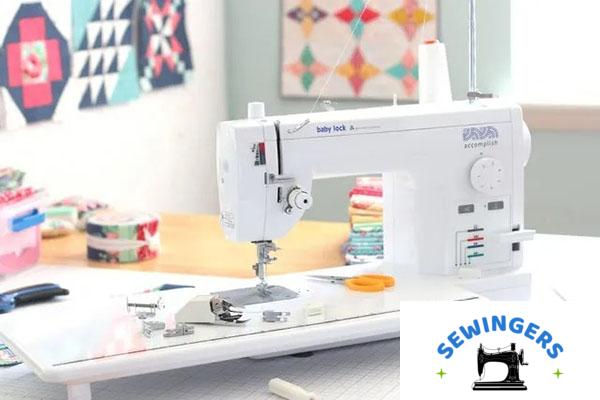
Quilting sewing machines are built to handle layers—top, batting, backing—and keep your stitch consistent across all of it. Look for features like a walking foot, needle down function, and extended throat space (super important).
Two categories:
- Domestic quilting machines – like the Juki TL-2010Q: strong, fast, portable.
- Long arm machines – pricey but perfect for quilting large projects with intricate designs.
In my experience, domestic machines work great unless you’re quilting king-sized quilts regularly. For anything under that? A wide quilting table and adjustable feed dogs will take you far.
6. Industrial Sewing Machines (When You Mean Business)
Honestly? Unless you’re sewing professionally—like leather goods, upholstery, or denim—you probably don’t need an industrial machine.
But if you do…they’re unbeatable in power and speed.
Why consider one:
- Runs 8+ hours a day without overheating
- Handles thick layers, vinyl, canvas, etc.
- Table-mounted, usually with a servo motor or clutch motor
The Singer 191D-30 is one I’ve used in a shared studio. It’s fast—like, terrifyingly fast at first—and built to last. But they’re heavy, noisy, and not cheap.
7. Portable and Mini Sewing Machines (Cute, but…)
Mini sewing machines are a hot trend right now—thanks, TikTok—but let me be real: they have very limited use.
They’re great for kids, travel, or quick repairs. But if you’re thinking quilting? Nope.
I’ve kept a Magicfly Mini in my car (true story!) for on-the-go mending, but don’t expect consistent thread tension or strong seams.
Good for:
- Lightweight fabrics
- Teaching young kids
- Emergency repairs
Not for: actual quilting, ever.
8. Combination Machines (The One-Stop Shops)
If you’re a hobbyist juggling projects—quilts, embroidery, clothes, you name it—combo machines are incredibly convenient.
These combine sewing, quilting, and embroidery features into one machine. You’ll get an embroidery module, all-in-one stitch system, and usually a touchscreen interface.
The Brother SE1900 is probably the best combo machine I’ve used. You can switch modes easily, the stitch quality is solid, and it’s user-friendly. It’s not as specialized as a standalone quilting machine, but if space is tight? Worth it.
Final Tips: Choosing the Right Machine for You
Let me give you a little checklist—this is the one I wish I had the first time I bought a machine.
Ask yourself:
- What will you sew most often? (quilts, clothes, crafts?)
- How much automation do you want? (manual vs. digital)
- What’s your budget? (factor in accessories too)
- How much space do you have? (some machines are massive)
- Do you want to grow into it? (buy with your future projects in mind)
My personal tips:
- Try before you buy. Go to a local sewing shop and test the machines.
- Don’t skip the warranty. Especially with computerized models.
- Check support. Some brands have fantastic U.S. support lines; others… not so much.
Conclusion: Trust Your Needs (Not Just the Marketing)
Here’s the thing—the best sewing machine is the one you’ll actually use. Not the fanciest, not the most expensive. It’s the one that fits your space, your projects, and your comfort level.
Whether you’re drawn to the simplicity of a mechanical model or the techy thrill of an embroidery-capable combo machine, there’s a perfect match out there. You just need to look past the hype and into what you actually need.
If you’re serious about quilting, start with a reliable machine that can grow with you. Test it. Read real reviews. And don’t forget to join a local sewing group (I found mine through the American Sewing Guild, and it’s been a game-changer).
Now go find your fit—and happy stitching!