The Janome 3160QDC is a computerized sewing machine designed for quilters, beginners, and professionals who need precision and versatility. Known for its lightweight design, intuitive controls, and wide range of stitch options, this model has gained popularity as one of the best sewing machines for quilting. Whether you’re working on intricate quilt patterns or everyday sewing projects, the Janome 3160QDC delivers smooth stitching, adjustable sewing speed, and a user-friendly LCD display to enhance your sewing experience.
In this Janome 3160QDC review, we’ll explore its key features, stitch versatility, and ease of use to determine if it’s the right fit for your sewing needs. With 60 built-in stitches, an automatic thread cutter, and a lightweight frame (weighing approximately 12.6 lbs), this Janome sewing machine offers both convenience and portability. Whether you’re a seasoned quilter or a beginner looking for a reliable machine, the 3160QDC promises efficiency and professional-quality results in every stitch
Contents
Key Features of the Janome 3160QDC Sewing Machine
The Janome 3160QDC is a lightweight sewing machine designed for both beginners and experienced sewists. It features 60 built-in stitches, including utility, decorative, and quilting options, making it versatile for various sewing projects. The automatic needle threader simplifies threading, while the LCD display allows for precise stitch selection and adjustments. Additionally, the Janome presser foot system ensures smooth fabric feeding, and the LED lighting enhances visibility for detailed stitching.
Portability is another highlight of the Janome 3160QDC, weighing only 12.6 lbs—ideal for transporting to classes or sewing retreats. The top-loading bobbin system offers convenient access, while the automatic thread cutter streamlines workflow. Other advanced features include a feed dog system for superior fabric control, a stitch memory function for saving preferred settings, and a speed control slider for adjustable sewing pace. The optional knee lift further enhances precision, making this LCD sewing machine an excellent choice for quilting and everyday sewing.

Performance & Ease of Use of the Janome 3160QDC
The Janome 3160QDC delivers impressive sewing speed and accuracy, making it an excellent choice for quilting and garment construction. With adjustable speed settings, users can control the pace for delicate fabrics or high-speed stitching. The start/stop button allows for seamless operation without needing the foot pedal, ideal for long sewing sessions. Additionally, its precise stitch quality ensures clean, even stitches across different materials, while the feed dogs provide smooth fabric handling.
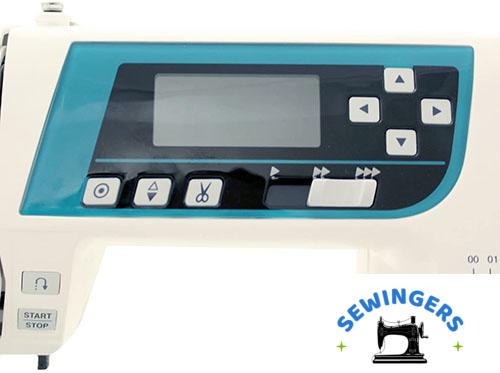
This computerized sewing machine is also incredibly user-friendly. The LCD screen and intuitive navigation make selecting stitches and adjusting stitch length effortless. The automatic thread cutter and jam-proof bobbin system streamline the sewing process, reducing interruptions. With quiet operation and advanced buttonhole options, the Janome 3160QDC is one of the best sewing machines for accuracy and ease of use, perfect for both beginners and experienced sewists.
Janome 3160QDC Pros and Cons: Is It the Best Sewing Machine for You?
The Janome 3160QDC is a computerized sewing machine known for its durability, stitch variety, and ease of use. It offers 60 built-in stitches, an automatic tension system, and foot pressure adjustment, making it a versatile choice for quilters and general sewing enthusiasts. The free arm and extension table add flexibility for handling different fabric sizes, while the top-loading bobbin system simplifies setup. Additionally, it comes with a 25-year limited warranty and essential accessories like multiple presser feet and a hardcover for protection.
Pros and Cons of the Janome 3160QDC
| Pros | Cons |
|---|---|
| Lightweight and portable – Ideal for small spaces and travel | Limited throat space – May not be ideal for large quilting projects |
| Smooth and quiet operation – Runs efficiently with minimal noise | No manual presser foot pressure dial – Less control for heavy fabrics |
| Automatic thread cutter and needle threader – Increases efficiency | Higher price than mechanical models – More expensive than basic alternatives |
| Reliable stitch quality – Consistent stitches on various fabrics | Not as advanced as higher-end models – Lacks some features found in premium machines |
Compared to Brother sewing machines, the Janome 3160QDC is often praised for better durability and build quality, though Brother models may offer more stitch options at a lower price. When considering computerized vs. mechanical sewing machines, the Janome 3160QDC provides modern convenience and automation, but users who prefer manual control and lower maintenance might lean towards mechanical alternatives.
For those seeking the best sewing machine with a free arm and computerized functionality, the Janome 3160QDC remains a top contender, offering a balance of performance, features, and reliability. However, if you need a larger work area or more advanced quilting capabilities, exploring higher-end models might be worthwhile.

How the Janome 3160QDC Compares to Other Sewing Machines
The Janome 3160QDC stands out in the mid-range sewing machine market, particularly for quilters, but how does it compare to competitors like the Brother CS7000X and Singer Quantum Stylist 9960? Compared to the Brother CS7000X, the Janome 3160QDC offers superior stitch precision, a stronger motor, and an automatic thread cutter—features that cater to more advanced users. However, the Brother model is more affordable and beginner-friendly, making it a better option for casual sewists. Against the Singer Quantum Stylist 9960, the 3160QDC lacks the 600-stitch variety and higher speed but compensates with a more reliable build, quieter operation, and better tension control, making it a favorite among quilters who prioritize precision over quantity.
When compared to other Janome models, the 3160QDC is a step up from entry-level machines but falls short of high-end computerized options like the Janome 6700P, which boasts a powerful motor, superior feed system, and industrial-level performance. Against Bernina and Juki models, the 3160QDC remains a strong contender in the best sewing machines under $1000 category but doesn’t match the heavy-duty power of a Juki TL-2000Qi or the premium stitch quality of a Bernina 570 QE. Ultimately, the Janome 3160QDC is ideal for quilters and advanced sewists looking for a lightweight, feature-rich, and user-friendly machine without venturing into the high-end price range.

Who Should Buy the Janome 3160QDC?
The Janome 3160QDC is an excellent choice for quilters, beginners, and home sewists looking for a versatile and beginner-friendly sewing machine. With 60 built-in stitches, an automatic needle threader, and a lightweight design, it offers a smooth learning curve while still providing advanced features for more intricate projects. Whether you’re creating quilts, dressmaking pieces, or home décor, this machine ensures precision and ease of use. Its compact size also makes it ideal for those with limited sewing space or those who need a portable option for sewing classes and workshops.
For professionals and small business owners, the Janome 3160QDC offers the reliability needed for tailoring, embroidery, and fashion design. It delivers consistent stitch quality, making it a great sewing machine for a home business. Its automatic thread cutter and speed control improve efficiency, allowing sewists to handle multiple projects seamlessly. Whether you’re a beginner exploring quilting or an experienced sewist in need of a lightweight yet powerful machine, the Janome 3160QDC is a well-rounded investment.
Final Thoughts on the Janome 3160QDC
The Janome 3160QDC stands out as one of the best-rated sewing machines for quilters and home sewists looking for a balance between performance, reliability, and value for money. Its lightweight design, automatic thread cutter, and 60 built-in stitches make it a versatile choice for both beginners and experienced users. Based on customer reviews, the user experience is highly positive, especially for those who prioritize ease of use and precision stitching. The price-to-performance ratio is excellent, considering the machine’s advanced features and long-term use durability.
For those wondering, “Is the Janome 3160QDC worth it?”, the answer depends on individual needs. If you’re looking for a feature-rich, reliable sewing machine with solid customer support and a decent warranty period, this model is a great investment. However, if you need a heavy-duty machine for thick fabrics, alternatives like the Janome HD3000 or Brother CS7000X might be better options. Overall, the Janome 3160QDC scores high in performance, satisfaction, and ease of use, making it a top contender in its category