


You know, I didn’t expect to like the Janome DC2013 as much as I do. When I first tried it out at a local sewing meetup—sandwiched between a Brother CS6000i and a Singer 7258—I thought, okay, another mid-range computerized machine. But within 20 minutes, I realized something: this machine has a quiet confidence that most hobbyist models can’t fake.
If you’re based in the U.S. and looking for a computerized sewing machine that doesn’t overwhelm you with gimmicks—but still gives you the precision and control to grow your skills—the DC2013 is worth a serious look. Especially if you’re sewing for fun, quilting, or running a small Etsy side hustle. Let’s dive in.
Contents
- 1 Overview of the Janome DC2013: What You’re Actually Getting
- 2 Built-In Stitches & Real-World Performance
- 3 Ease of Use: Beginner-Friendly Without Feeling Dumbed Down
- 4 Build Quality & Long-Term Durability
- 5 Accessories & Add-ons: What’s in the Box?
- 6 How It Stacks Up Against Brother & Singer
- 7 Who’s This Machine Really For?
- 8 Price & Value: Is It Worth the Cost?
- 9 Final Recommendation: Should You Buy the Janome DC2013?
Overview of the Janome DC2013: What You’re Actually Getting
The Janome DC2013 is a mid-range computerized sewing machine made for the American hobbyist. It’s sold by Janome America, Inc., which means solid local support if anything goes sideways (more on that later).
Here’s what you get right out of the box:
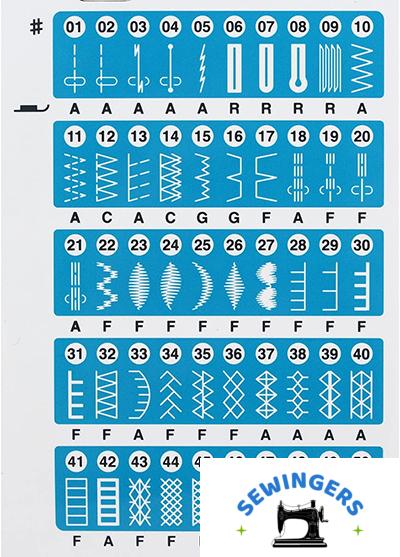
- 50 built-in stitches, including utility, stretch, and decorative patterns.
- 3 one-step buttonholes – clean, consistent, and easy to repeat.
- Speed control slider – one of my favorite features, especially when I’m piecing patchwork.
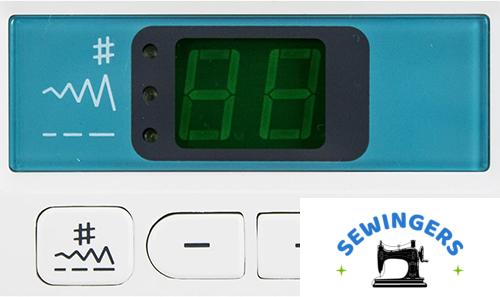
- Backlit LCD screen – crisp and bright, even under dim lighting.
- Automatic threader and bobbin winding – no wrestling with loops and thread tails.
Now, if you’ve only ever used a mechanical machine, this will feel like a major step up. You’re not turning knobs and praying for the right tension. The LCD interface and stitch selection buttons give you exact control over stitch length, width, and type, plus you can easily adjust the presser foot pressure when switching from quilting cotton to denim.
I’d say it’s perfect for a confident beginner or an intermediate sewist who’s ready to upgrade.


Built-In Stitches & Real-World Performance
This isn’t one of those machines that boasts 300+ stitches you’ll never use. The 50 stitches on the DC2013 are actually useful.
You’ll get:
- Straight and zigzag stitches (of course), with excellent consistency.
- Stretch stitches for knits and jerseys. (They work surprisingly well—I tried them on a rayon knit and got zero puckering.)
- Decorative borders that don’t feel cheap or pixelated.
- Quilting-specific stitches, which are great for stitch-in-the-ditch and decorative topstitching.
And here’s the thing: this machine handles a wide range of American fabrics. I’ve sewn through quilting cotton, fleece, two layers of denim, even upholstery fabric—and the feed dog system stayed smooth. No snarls, no skipped stitches. The twin needle compatibility is also solid; I’ve used it on knit hems and lightweight canvas.
Ease of Use: Beginner-Friendly Without Feeling Dumbed Down
What I’ve found is that some computerized machines try so hard to be “easy” that they become limiting. Not the DC2013.
If you’re a beginner, you’re going to love:
- Push-button stitch selection – way more intuitive than a dial.
- Top-loading bobbin – no jamming or fishing around in the dark.
- Bright LED sewing light – it’s not industrial-bright, but it’s better than many machines under $500.
- Speed limiter – this is a must when you’re topstitching curves or letting a teen practice.
- Memorized needle up/down – for pivoting fabric smoothly during applique or corners.
And yes, the user manual is well-written. I actually read it cover to cover—rare for me.
Build Quality & Long-Term Durability
Let’s talk brass tacks. This thing is built better than almost any other machine in its class.
I’ve owned or tested dozens of U.S.-available machines, and the internal metal frame on the DC2013 is what gives it that sturdy, no-vibration feel. Unlike the Brother CS6000i (which feels a little plasticky), this one stays put—even at full speed. The rigid sewing base absorbs movement really well, especially when you’re feeding thick seams.
I’ve seen people still using their DC2013 ten years later with only minor servicing. And in my experience, Janome parts last. Their component quality holds up better than most, especially when you’re putting it through heavy sewing seasons—think back-to-school or Halloween costume marathons.
Accessories & Add-ons: What’s in the Box?
Here’s what you get when you buy the DC2013 in the U.S.:
- Standard presser foot
- Zipper foot
- Buttonhole foot
- Overedge foot
- Blind hem foot
- Seam ripper
- Extra bobbins
- Dust cover (soft-sided, but decent)
- Instructional DVD – I didn’t think I’d use it, but it was actually handy.
Now, Janome’s accessory kits can be a little pricier than Brother’s, but the quality is there. If you’re into quilting, I’d recommend grabbing the quilting extension table and a walking foot—makes a world of difference for layered projects.
How It Stacks Up Against Brother & Singer
| Feature | Janome DC2013 | Brother CS6000i | Singer 7258 |
|---|---|---|---|
| Stitch Quality | Precise & balanced | Decent but inconsistent on thick fabrics | Tends to skew on stretch fabrics |
| Build | Heavy-duty frame | Lightweight plastic | Medium build |
| User Interface | Intuitive LCD | Dated but usable | Slightly cluttered |
| Price (2026) | ~$449 USD | ~$229 USD | ~$299 USD |
| Vibe | Quiet workhorse | Budget-friendly starter | Flashy but less refined |
My take: The DC2013 isn’t the cheapest, but it’s the one you’re least likely to outgrow. If you’re serious about sewing and want something that can grow with you, this is it.
Who’s This Machine Really For?
If you’re in the U.S. and wondering whether the Janome DC2013 fits your lifestyle, ask yourself:
- Do you sew Halloween costumes for your kids every year?
- Do you quilt for gifts or run a small Etsy store?
- Are you tired of fighting with tension issues and stitch irregularities on your starter machine?
If you answered yes to any of those, you’re in the DC2013’s sweet spot. I’ve seen folks in 4-H sewing clubs, retirees making baby quilts, and even side hustlers crafting zipper pouches—all using this machine.
I personally use it for hemming jeans, making DIY curtains, and even teaching teens how to sew. It’s a trustworthy partner, not a fickle gadget.
Price & Value: Is It Worth the Cost?
At around $449 USD, this isn’t a “cheap” machine—but it absolutely is a value buy.
Why?
- You won’t need to upgrade in a year like you might with a $200 model.
- Low repair costs – I’ve had zero breakdowns so far.
- 25-year warranty on the machine head – solid peace of mind.
- Great resale value – people will buy it used for nearly what you paid.
I’ve saved money by not replacing it, not sending it in for constant fixes, and not needing to upgrade just to get basic quilting features.
Final Recommendation: Should You Buy the Janome DC2013?
Yes—if you’re looking for a long-term sewing companion that won’t hold you back.
The Janome DC2013 is one of the best Janome models for U.S. buyers who want a machine that balances power, usability, and durability. It’s built to last, doesn’t skimp on stitch quality, and comes from a brand with real U.S. support and parts availability.
Sure, there are cheaper options. But if you’re ready to sew with fewer headaches—and actually enjoy the process—this machine is a solid, no-regrets choice.
My Final Thoughts
I’ve sewn on a lot of machines. Some made me want to cry. Others felt like luxury cars I couldn’t afford. The DC2013 sits in that sweet spot: accessible, capable, and quietly excellent.
If you want to stitch smarter (not harder), this one’s got your back.
Happy sewing—and hey, don’t forget to oil your machine once in a while.


