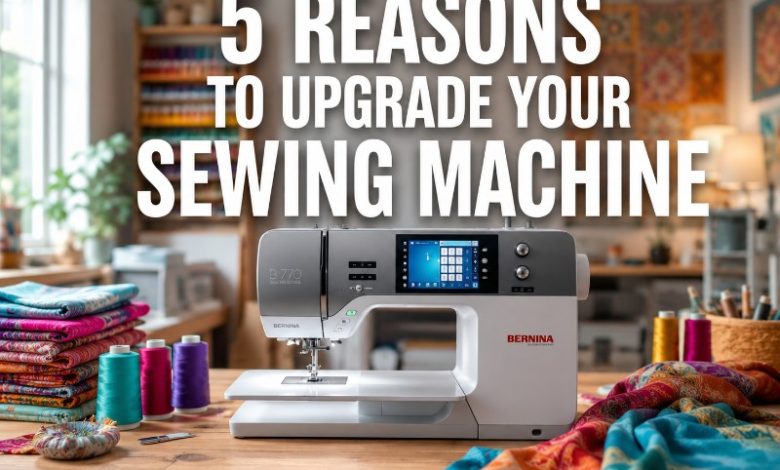
A sewing machine upgrade often starts with a familiar moment. Your machine hesitates on a thick denim seam. Stitch tension drifts halfway through a quilt. A simple buttonhole takes longer than the rest of the project.
Across the United States, more people are investing in better sewing equipment. Etsy sellers are increasing production. DIY enthusiasts are creating holiday décor for Thanksgiving and Halloween. Home-based fashion businesses are growing from spare bedrooms into serious side hustles.
The difference between a basic sewing machine and a modern upgraded model isn’t just a longer feature list. It’s the difference between working around limitations and working with tools designed to support your creativity.
In practice, an upgraded sewing machine improves stitch quality, increases efficiency, expands design possibilities, and creates a more comfortable sewing experience. Over time, those advantages often translate into better results and greater enjoyment at the sewing table.
Contents
- 1 1. Better Stitch Quality and Fabric Control
- 2 2. Time Savings With Automated Features
- 3 3. Expanded Stitch Options for Creative Projects
- 4 4. Stronger Motor for Heavy-Duty Fabrics
- 5 5. Increased Durability and Long-Term Value
- 6 6. Improved User Experience and Comfort
- 7 7. Built-In Embroidery and Smart Technology
- 8 8. Increased Resale and Trade-In Value
- 9 9. Supports Growth From Hobby to Business
- 10 How to Know When an Upgrade Makes Sense
- 11 Final Thoughts: Is It Time to Upgrade Your Sewing Machine?
1. Better Stitch Quality and Fabric Control
Better stitch quality is one of the first improvements most sewists notice after upgrading.
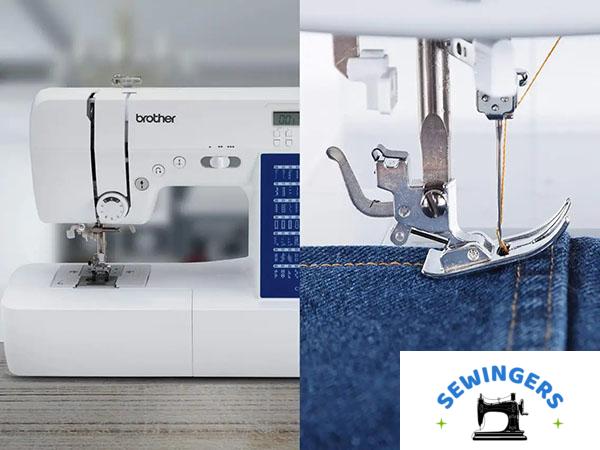
Modern sewing machines use advanced feed systems, refined tension controls, and improved presser foot pressure adjustments. These features help fabrics move evenly beneath the needle, creating consistent stitching across a wider range of materials.
Whether you’re sewing lightweight cotton, stretchy knits, or thick canvas, consistent fabric handling makes a noticeable difference.
Key advantages include:
- More accurate stitch tension
- Improved feed dog performance
- Adjustable presser foot pressure
- Cleaner straight stitches
- More consistent zigzag stitches
- Fewer skipped stitches
A basic machine may sew cotton fabric perfectly but struggle when transitioning to fleece, denim, or layered quilt sandwiches. An upgraded machine maintains stitch consistency across changing fabric thicknesses.
Think of it like driving on a newly paved highway instead of a road filled with potholes. The destination remains the same, but the journey becomes smoother, more predictable, and far less frustrating.
For quilters, garment makers, and home décor enthusiasts, improved stitch quality often translates directly into more professional-looking finished projects.
2. Time Savings With Automated Features
Time-saving features can dramatically change how sewing projects flow from start to finish.
Many computerized sewing machines include automation designed to eliminate repetitive tasks. While each individual feature may save only a few seconds, those seconds accumulate surprisingly fast during larger projects.
Common automated sewing features include:
- Automatic thread cutters
- Needle threaders
- One-step buttonholes
- Needle up/down functions
- Speed control sliders
- Programmable stitch sequences
- LCD screens with stitch recommendations
Consider a batch of holiday gifts. If you’re producing twenty tote bags before Christmas, automatic thread cutting alone can eliminate hundreds of manual trimming actions.
Now, here’s the interesting part.
Most people focus on speed when discussing automation. The bigger advantage is often reduced interruption. Instead of constantly stopping to adjust settings or rethread needles, you maintain momentum.
That uninterrupted workflow matters.
Projects feel less tedious, concentration improves, and mistakes become less common.
For Etsy sellers and craft fair vendors, faster production also means greater earning potential. Completing projects in half the time creates opportunities to accept more orders without increasing sewing hours.
3. Expanded Stitch Options for Creative Projects
Creative flexibility expands dramatically with an upgraded sewing machine.
Entry-level machines typically offer between 10 and 20 built-in stitches. Mid-range and premium machines often include anywhere from 100 to more than 600 stitch patterns.
That variety opens entirely new project categories.
Decorative Stitching
Decorative stitches add visual interest to garments, home décor items, and accessories. Pillowcases, table runners, tote bags, and children’s clothing benefit from decorative accents that transform simple projects into customized creations.
Quilting Patterns
Dedicated quilting stitches improve piecing accuracy and decorative finishing. Many Bernina and Janome machines are especially popular among American quilters because of their extensive quilting stitch libraries.
Stretch Stitches
Knit fabrics require specialized stitches that flex with the material. Without stretch stitches, seams often break during wear.
Monogramming
Built-in lettering and embroidery fonts allow personalized gifts, baby blankets, towels, and accessories.
Creative growth often happens gradually. A sewist who begins with simple repairs may eventually explore quilting. A quilter may experiment with decorative stitching. A hobbyist may begin creating personalized products for sale.
More stitch options provide room for that growth.
4. Stronger Motor for Heavy-Duty Fabrics
Motor strength becomes increasingly important as project complexity increases.
Many entry-level machines perform well on lightweight fabrics but struggle with thick seams or multiple layers. The motor works harder, stitching slows, and skipped stitches become more common.
Heavy-duty machines address those challenges through greater torque and stronger internal components.
Popular examples include:
- Singer Heavy Duty 4452
- Juki industrial-style models
- Heavy-duty Janome machines
- Specialized upholstery machines
These machines excel when sewing:
- Denim
- Canvas
- Leather
- Upholstery fabric
- Outdoor fabrics
- Multiple quilt layers
Imagine sewing six layers of denim during a workwear alteration.
A basic machine may hesitate or stall.
A stronger machine typically powers through the seam with far greater confidence.
For home décor projects such as outdoor cushions, storage baskets, and slipcovers, motor power isn’t a luxury feature. It’s a practical advantage that improves both results and efficiency.
5. Increased Durability and Long-Term Value
Durability is often overlooked during the buying process, yet it becomes one of the most valuable benefits over time.
Many upgraded sewing machines feature:
- Metal internal frames
- Higher-quality gears
- Reinforced drive systems
- Better bearings
- Enhanced warranty coverage
These components contribute directly to machine lifespan.
A quality sewing machine costing between $400 and $1,500 may remain reliable for 10 to 20 years when maintained properly.
By comparison, replacing lower-cost machines every few years can become surprisingly expensive.
Upgrade Cost vs. Long-Term Value
| Feature | Entry-Level Machine | Upgraded Machine | What You Actually Notice |
|---|---|---|---|
| Internal frame | Mostly plastic | Metal construction | Less vibration and better stability |
| Expected lifespan | 3–7 years | 10–20 years | Fewer replacement purchases |
| Motor performance | Basic | Stronger torque | Easier sewing through thick fabrics |
| Stitch consistency | Variable | Highly consistent | Cleaner finished projects |
| Repairability | Limited | Better parts availability | Longer service life |
| Resale value | Low | Moderate to high | Better investment protection |
The most noticeable difference often isn’t visible at all.
A durable machine simply continues working year after year. No surprises. No sudden performance drops. No constant troubleshooting before every project.
That reliability becomes increasingly valuable when sewing shifts from occasional hobby use to regular production.
6. Improved User Experience and Comfort
Comfort may not sound exciting, but it significantly affects sewing performance.
Long sewing sessions place strain on your eyes, shoulders, neck, and hands. Modern machines address many of those issues through ergonomic design improvements.
Common comfort-focused features include:
- Larger throat space
- Extension tables
- LED work lights
- Touchscreen displays
- Quieter motors
- Adjustable work areas
Larger Workspace
A larger throat space allows bulky projects to move more freely around the needle.
This matters especially when sewing:
- Large quilts
- Curtains
- Tablecloths
- Oversized bags
Anyone who has wrestled a king-size quilt through a small machine opening understands the difference immediately.
Better Lighting
LED work lights provide brighter, more consistent illumination.
Improved visibility reduces eye strain and helps identify stitching errors before they become difficult to fix.
Reduced Noise
Many upgraded machines operate much more quietly than older models.
A quieter sewing environment becomes surprisingly important during marathon project sessions before holidays, craft fairs, or seasonal markets.
Fatigue decreases when your machine works with you rather than constantly demanding attention.
7. Built-In Embroidery and Smart Technology
Technology has transformed modern sewing machines.
Many current models combine sewing and embroidery functions into a single unit, allowing greater versatility without requiring separate equipment.
Popular smart features include:
- USB design imports
- Wi-Fi connectivity
- Digital embroidery files
- On-screen stitch previews
- Design editing software
- Automatic updates
For small business owners, these features create new revenue opportunities.
Custom embroidery remains one of the strongest personalization trends in the U.S. market. Consumers frequently purchase:
- Personalized baby blankets
- Wedding gifts
- Team apparel
- Corporate promotional products
- Monogrammed accessories
A sewing and embroidery machine allows you to offer those products from one workspace.
The ability to transfer designs digitally also streamlines production. Instead of manually recreating patterns, you can import designs directly into the machine.
Technology doesn’t replace creativity.
It simply removes barriers between the design idea and the finished product.
8. Increased Resale and Trade-In Value
Not all sewing machines hold value equally.
Premium brands tend to retain stronger resale demand because buyers recognize their reputation for reliability and performance.
Brands with particularly strong resale markets include:
- Bernina
- Juki
- Janome
- Baby Lock
- Pfaff
Authorized dealers throughout the United States frequently offer trade-in programs, making future upgrades more affordable.
Why Resale Value Matters
A higher resale value lowers the true cost of ownership.
For example:
- Machine purchase: $1,200
- Resale value after several years: $700
- Effective ownership cost: $500 plus maintenance
By contrast, a lower-cost machine that loses nearly all resale value may ultimately cost more than expected.
Many sewists view premium machines as tools first and investments second. Yet value retention remains a practical advantage worth considering during the purchasing process.
9. Supports Growth From Hobby to Business
A surprising number of sewing businesses begin as casual hobbies.
One project leads to another. Friends request custom items. Local craft fairs generate interest. An Etsy store launches. Orders increase.
Then production limitations appear.
A machine that works well for occasional weekend sewing may struggle to support growing demand.
An upgraded machine helps by:
- Increasing production speed
- Improving stitch consistency
- Reducing errors
- Handling larger workloads
- Creating a more professional finish
Professional presentation matters.
Customers notice clean seams, balanced stitch tension, accurate topstitching, and polished finishing details.
Those details build trust.
Even a modest side business earning a few hundred dollars per month can benefit from equipment that improves efficiency and reliability.
Over time, faster production often creates more capacity for sales, marketing, product development, and customer service.
The machine becomes part of the business infrastructure rather than simply another crafting tool.
How to Know When an Upgrade Makes Sense
Several signs indicate that an upgrade may deliver meaningful benefits.
Your current machine may be limiting progress if it:
- Struggles with thick fabrics
- Produces inconsistent stitching
- Lacks stitch variety
- Requires frequent repairs
- Creates excessive noise or vibration
- Slows production during busy periods
- Prevents expansion into embroidery or quilting
The goal isn’t owning the most expensive machine available.
The goal is matching machine capability to your current and future projects.
For some sewists, a $500 upgrade creates dramatic improvements. Others may benefit from advanced machines costing significantly more because their project volume justifies the investment.
The best choice depends on how you sew, what you create, and where your sewing journey is headed.
Final Thoughts: Is It Time to Upgrade Your Sewing Machine?
Upgrading your sewing machine is worth the investment when your current machine limits quality, efficiency, comfort, or creative growth.
A modern sewing machine offers far more than extra features. Better stitch quality improves finished projects. Automated functions save time. Stronger motors handle demanding fabrics. Smart technology expands creative possibilities. Durable construction delivers long-term value.
Whether you’re sewing quilts for family gatherings, Halloween costumes, custom gifts, home décor items, or products for online sales, the right machine makes the process smoother and more enjoyable.
Most importantly, an upgraded machine expands what you can create.
When equipment stops getting in the way, creativity tends to move faster. Projects become more ambitious. Skills develop more quickly. Opportunities appear that weren’t practical before.
A better sewing machine doesn’t simply sew fabric together.
It creates room for growth.