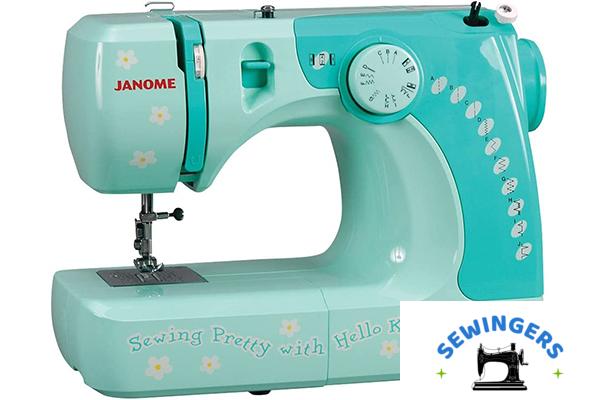
I’ll be honest — I wasn’t expecting much when I first heard about the Janome 11706 Hello Kitty Sewing Machine. A Hello Kitty sewing machine? It sounds more like a toy than an actual tool. But the more I looked into it, the more I realized this little machine is actually worth talking about — especially if you’re just getting started with sewing or looking for something compact that doesn’t take over your entire craft space.
It’s a 3/4 size machine, which means it’s smaller than a standard sewing machine but not in a flimsy way. It’s lightweight (under 12 pounds), easy to move around, and fits neatly on a desk or small table. That part I genuinely love — I don’t always have a dedicated setup, so something I can tuck away matters.
Here’s what you should know before buying:
- It’s designed for beginners and light-use sewers, not advanced projects
- The Hello Kitty branding is real — this machine is cute, and that’s kind of the point
- It handles cotton and linen well; heavier fabrics like denim can be tricky
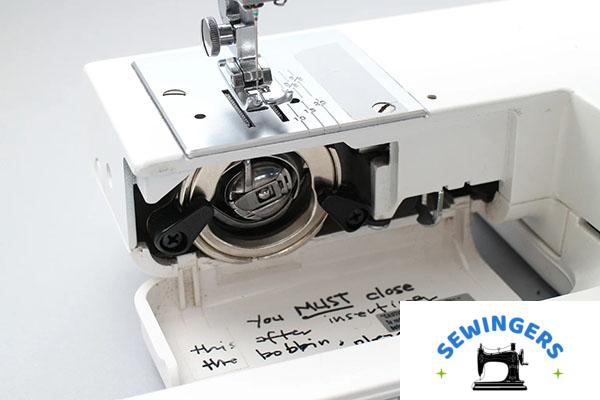
- Threading and bobbin setup are pretty intuitive, even if you’ve never touched a sewing machine
- It weighs under 12 pounds, so it’s genuinely easy to carry
Contents
What the Janome 11706 Actually Does Well
The stitch quality on this machine is consistently neat for the basics — straight stitches, simple hems, beginner decorative stitching. I was surprised by how clean the results look right out of the box. The threading system doesn’t require you to read 40 pages of manual before you start (always a win), and the bobbin design is the kind you figure out in about five minutes.
The free arm feature is one of those things that sounds technical but is actually really practical. It lets you sew around curved or narrow pieces — like hemming a sleeve or attaching a cuff — without the fabric bunching awkwardly. For beginners, this makes a bigger difference than it sounds.
The sewing speed is moderate, which is honestly ideal when you’re still learning. You have enough control to fix mistakes before they become problems. And the motor is reliable for light and medium fabrics — cotton projects, small quilts, basic repairs. Just go in knowing that heavy denim or thick canvas isn’t really where this machine shines.
The Hello Kitty Design — Is It Actually Cute or Cheesy?
It’s genuinely cute. I know that’s not a technical specification, but it matters if you’re buying this for a kid or a teen who’s starting to sew — the design makes it feel exciting rather than intimidating. (My kids immediately wanted to know whose machine it was when they saw it, which tells you something.)
The branding is Sanrio-licensed, so it’s the real Hello Kitty aesthetic — not a knockoff. Whether that’s worth the price difference over a plain beginner machine depends entirely on who you’re buying it for.
Where It Falls Short
This is where I want to be straight with you, because I think some reviews oversell this machine a little.
- No automatic needle threader — you do it manually, which can be frustrating in low light
- No adjustable stitch length — you’re working with preset options, which limits customization
- Not computerized — everything is mechanical, which is fine for beginners but limiting as you grow
- Light fabric focus — pushing it with heavier materials can strain the motor over time
If you already know how to sew and want to tackle more advanced projects, this probably isn’t the machine for you. It’s intentionally basic, and that’s a feature for beginners, not a flaw — but it becomes a limitation as your skills develop.
Who This Machine Is Actually For
Honestly? It’s a great starter machine for a kid, a teen, or an adult who wants to learn the basics without spending a lot or committing to a full-size setup. The controls are approachable, the results are clean for beginner-level work, and the compact size makes it easy to store when you’re not using it.
If you’re buying this as a gift for a Hello Kitty fan who also happens to be curious about sewing — that’s kind of the sweet spot. The design makes it feel special, and the machine is actually functional enough to learn on.
For someone who already sews regularly and wants more flexibility, I’d look at machines with adjustable stitch settings and computerized controls. The Janome DC3050, for example, is worth comparing if you want something with more room to grow.
Final Thoughts
The Janome 11706 does exactly what it says it will. It’s a compact, beginner-friendly machine with an adorable design, consistent stitch quality on light fabrics, and controls that don’t overwhelm someone who’s never sewn before. It’s not trying to be more than that — and I think that’s actually what makes it a good buy for the right person.
I hope this helps you figure out if it’s the right fit for you (or whoever you’re shopping for)! Let me know if you have any questions in the comments!