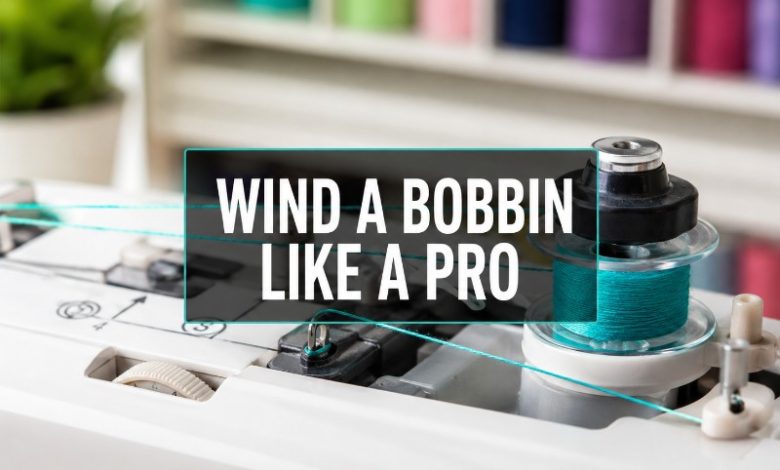
A sewing machine can stitch through layers of cotton, denim, fleece, and even costume fabrics with surprising precision. Yet one tiny component often determines whether a project looks polished or frustratingly uneven: the bobbin.
Many sewing problems that seem mysterious at first—thread bunching under fabric, looping stitches, tension issues, or sudden thread breaks—often trace back to a poorly wound bobbin. The good news is that winding a bobbin correctly isn’t difficult. Once the process becomes routine, stitch quality improves, machine performance becomes more consistent, and sewing sessions feel far less stressful.
Whether you’re making Halloween costumes, quilting gifts for the holidays, altering clothing, or running an Etsy shop from home, proper bobbin winding lays the foundation for clean, professional-looking stitches.
Contents
- 1 What Is a Bobbin and Why Proper Winding Matters?
- 2 Tools You Need Before You Start
- 3 Step-by-Step: How to Wind a Bobbin Correctly
- 4 How Tight Should a Bobbin Be?
- 5 Common Mistakes Americans Make When Winding Bobbins
- 6 Pre-Wound Bobbins vs. Self-Wound Bobbins
- 7 How to Troubleshoot Bobbin Problems
- 8 Maintenance Tips for Long-Term Sewing Success
- 9 Quick Bobbin Winding Checklist
- 10 Final Thoughts
What Is a Bobbin and Why Proper Winding Matters?
A bobbin is the small spool that holds the lower thread inside a sewing machine. Together, the bobbin thread and upper thread create the lockstitch that holds fabric layers together.
Although the bobbin is small, its impact is enormous.
When thread winds evenly and consistently, the sewing machine can maintain stable tension. When the bobbin is wound loosely, unevenly, or beyond its capacity, problems begin to appear quickly.
Benefits of Proper Bobbin Winding
Correct bobbin winding helps:
- Prevent thread nesting, often called a “bird’s nest”
- Improve stitch tension consistency
- Reduce strain on machine components
- Minimize thread breakage
- Save fabric and time
- Produce cleaner seams
This matters even more when working with expensive materials. Many specialty fabrics in the United States cost between $15 and $40 per yard, and ruined seams can become expensive mistakes.
Key Sewing Components Involved
Several machine parts work together during stitching:
| Component | Function |
|---|---|
| Sewing machine | Drives the stitching process |
| Bobbin | Holds lower thread |
| Bobbin case | Controls bobbin thread delivery |
| Upper thread | Forms the top portion of the stitch |
| Thread tension system | Balances upper and lower thread |
| Lockstitch mechanism | Creates secure stitches |
Think of the upper thread and bobbin thread as dance partners. If one moves smoothly and the other stumbles, the entire performance looks off.
Tools You Need Before You Start
Before winding a bobbin, gather a few basic supplies.
Most modern sewing machines sold in the United States include a built-in bobbin winding system, making the process straightforward.
Essential Items
You’ll need:
- Thread spool
- Empty bobbin
- Sewing machine
- Machine manual
- Scissors
Popular thread brands include Coats & Clark All-Purpose Thread, Gutermann Sew-All Thread, and Mettler Metrosene.
Check Bobbin Compatibility First
This step gets overlooked surprisingly often.
Different sewing machine manufacturers use different bobbin styles. Brother, Singer, Janome, Baby Lock, and Bernina machines may require specific bobbin dimensions and materials.
Common bobbin types include:
| Bobbin Type | Common Use |
|---|---|
| Class 15 | Many Singer and Brother models |
| L-Style | Numerous embroidery and quilting machines |
| M-Style | Larger-capacity quilting machines |
Using the wrong bobbin can create tension problems even when everything else appears correct.
In practice, checking the machine manual takes less than a minute and prevents hours of troubleshooting later.
Step-by-Step: How to Wind a Bobbin Correctly
The exact layout varies by machine model, but the overall process remains remarkably similar across brands.
Step 1: Place the Thread on the Spool Pin
Position the thread spool securely on the spool pin.
Attach the spool cap if the machine uses one. The cap prevents the spool from wobbling during winding.
A stable spool feeds thread more evenly and reduces the chance of tangles.
Step 2: Thread the Bobbin Tension Guide
Pull the thread through the machine’s bobbin winding tension guide or tension disk.
This step is critical.
The tension guide controls thread distribution while the bobbin spins. Without it, thread often winds loosely and unevenly.
Many stitch-quality issues begin right here.
Step 3: Insert Thread Through the Bobbin Hole
Take the thread end and insert it through one of the bobbin holes.
Feed the thread from the inside of the bobbin toward the outside.
Leave a short tail extending through the hole.
Step 4: Place the Bobbin on the Bobbin Winder Spindle
Position the bobbin onto the winding spindle.
Most machines require pushing the spindle to the right until it clicks into winding mode.
Consult the machine manual if the mechanism differs.
Step 5: Start Winding
Hold the thread tail lightly and press the foot pedal.
Begin slowly.
Once the thread starts wrapping evenly around the bobbin, increase speed gradually.
A slower start creates a more stable thread foundation.
Many experienced sewists find that rushing this stage often creates uneven layers that become visible later during stitching.
Step 6: Stop at the Right Time
Many modern machines stop automatically when the bobbin reaches capacity.
If the machine lacks an automatic stop function, monitor the winding process closely.
The bobbin should appear evenly filled without thread bulging beyond the bobbin edges.
Overfilled bobbins frequently cause feeding problems and tension irregularities.
Step 7: Trim the Thread
Remove the bobbin from the spindle.
Cut the thread tail close to the bobbin surface.
The finished bobbin should look neat, balanced, and uniformly wound.
How Tight Should a Bobbin Be?
A properly wound bobbin feels firm but not excessively tight.
This balance matters more than many beginners realize.
Signs of a Correctly Wound Bobbin
A good bobbin typically has:
- Smooth thread layers
- Consistent thread distribution
- No side bulging
- No loose loops
- Smooth rotation inside the machine
Signs Something Went Wrong
Watch for:
- Lumpy thread buildup
- Gaps between layers
- Soft, squishy winding
- Uneven thread stacking
- Bulging edges
When winding looks uneven, unwinding and starting over is usually faster than fighting stitch problems later.
The few minutes spent rewinding often save far more time during sewing.
Common Mistakes Americans Make When Winding Bobbins
Even skilled sewists occasionally make bobbin-related mistakes.
Some errors are subtle. Others create immediate problems.
1. Overfilling the Bobbin
An overfilled bobbin may seem efficient, but it often causes jams and thread breaks.
The thread needs room to move freely inside the bobbin case.
2. Skipping the Tension Disk
This is one of the most common causes of poor winding.
Without tension control, thread wraps loosely around the bobbin core.
The result is inconsistent thread delivery during sewing.
3. Winding at Full Speed Immediately
Fast winding isn’t automatically better winding.
High speed at the beginning can stretch thread unevenly and create irregular layers.
Gradual acceleration generally produces cleaner results.
4. Using Old or Low-Quality Thread
Thread quality matters.
Older thread often becomes brittle. Cheap thread may shed fibers and create lint buildup.
Over time, lint accumulation can interfere with bobbin performance and stitch quality.
5. Mixing Bobbin Types
Class 15, L-style, and M-style bobbins are not interchangeable.
Even slight size differences affect tension and thread flow.
A machine designed for one style usually performs best with that exact style.
Pre-Wound Bobbins vs. Self-Wound Bobbins
Pre-wound bobbins have become increasingly popular, especially among quilters and small business owners.
Each option offers advantages.
Comparison Table
| Feature | Pre-Wound Bobbins | Self-Wound Bobbins |
|---|---|---|
| Convenience | Extremely fast | Requires preparation time |
| Cost | Higher ongoing cost | Lower long-term cost |
| Thread consistency | Professionally wound | Depends on winding technique |
| Color options | Often limited | Nearly unlimited |
| Machine compatibility | Not universal | Compatible when correct bobbin is used |
| Best for | High-volume sewing | Everyday sewing |
Practical Differences
The biggest difference is time.
Pre-wound bobbins eliminate preparation and help maintain workflow during busy sewing periods, particularly around Christmas craft fairs, holiday markets, and Etsy order surges.
Self-wound bobbins provide more flexibility. You can match specialty fabrics, decorative threads, and custom color palettes without hunting for specific pre-wound options.
For occasional sewing, winding your own bobbins is usually the more economical choice.
For production sewing, the convenience of pre-wound bobbins often becomes worthwhile.
How to Troubleshoot Bobbin Problems
Messy stitches rarely happen without a reason.
When stitches suddenly look uneven, the bobbin area is often the first place worth checking.
Problem: Thread Bunching Under Fabric
Possible causes include:
- Incorrect bobbin insertion
- Improper threading
- Uneven bobbin winding
- Tension imbalance
Try removing and reinserting the bobbin.
Then rethread both the upper thread and bobbin thread completely.
Problem: Skipped Stitches
Possible causes include:
- Damaged bobbin
- Poor thread quality
- Incorrect bobbin type
Inspect the bobbin for cracks, dents, or warping.
Even small imperfections can affect performance.
Problem: Uneven Stitch Tension
Possible causes include:
- Loose winding
- Overfilled bobbin
- Lint buildup
Cleaning the bobbin area often solves issues that initially appear more complicated.
Problem: Thread Breaking
Possible causes include:
- Sharp bobbin damage
- Poor-quality thread
- Excessive winding tension
Replacing thread and inspecting the bobbin for defects often resolves the issue quickly.
Maintenance Tips for Long-Term Sewing Success
A well-maintained sewing machine rewards attention with smoother operation and fewer interruptions.
Bobbin performance depends heavily on cleanliness and routine care.
Clean the Bobbin Case Regularly
Lint accumulates surprisingly fast.
This is especially true when sewing:
- Denim
- Fleece
- Flannel
- Heavy cotton
- Quilting fabrics
Cleaning the bobbin case every 8 to 10 sewing hours keeps thread paths clear.
A small brush designed for sewing machines works well for this task.
Replace Damaged Bobbins
Plastic bobbins can crack over time.
Metal bobbins can become bent.
Damaged bobbins often create inconsistent tension and unexpected thread behavior.
Replacing them is inexpensive compared with the frustration they can cause.
Store Bobbins Properly
Loose bobbins rolling around a drawer frequently collect dust, lint, and tangled thread.
A dedicated bobbin organizer keeps thread clean and accessible.
Organization also makes color matching easier during future projects.
Protect Thread from Environmental Damage
Heat and humidity affect thread quality.
This is especially important in warmer southern states where seasonal humidity levels can be high.
Store thread in a cool, dry location whenever possible.
Quick Bobbin Winding Checklist
Before beginning any sewing project, run through this quick checklist.
Bobbin Readiness Check
- Correct bobbin size installed
- Thread wound evenly
- Bobbin not overfilled
- Proper insertion direction confirmed
- Bobbin case cleaned
- No visible cracks or damage
- Upper thread threaded correctly
A quick inspection takes less than a minute and often prevents much larger problems later.
Final Thoughts
Learning how to wind a bobbin correctly is one of those sewing skills that seems minor at first but influences almost every stitch your machine creates.
An evenly wound bobbin improves thread tension, reduces machine wear, minimizes thread nests, and creates cleaner seams. The process remains largely the same whether you’re using a beginner-friendly Brother machine, a heavy-duty Singer model, or a computerized Janome.
Most sewing frustrations don’t begin with dramatic machine failures. They begin with small details. A skipped tension guide. An overfilled bobbin. A mismatched bobbin size. Tiny issues quietly compound until stitch quality suffers.
By following the step-by-step winding process, checking compatibility, maintaining a clean bobbin area, and paying attention to thread quality, you’ll create a stronger foundation for every project. Quilts, Halloween costumes, home décor projects, Etsy products, and everyday garment repairs all benefit from the same principle: consistent thread delivery produces consistent results.
A properly wound bobbin isn’t just a sewing accessory. It’s one of the simplest ways to achieve smoother stitching, fewer interruptions, and more professional-looking finished work.