Contents
- 1 Basic Sewing Supplies: What You Need to Get Started
- 1.1 A Beginner’s Must-Have Sewing Kit (The Absolute Basics)
- 1.2 Hand Sewing vs. Machine Sewing: What’s the Difference?
- 1.3 Trusted US Sewing Brands for Beginners
- 1.4 Where to Buy Sewing Supplies in the US
- 1.5 How Much Should You Budget for a Starter Sewing Kit?
- 1.6 Helpful Accessories That Make Sewing Easier
- 1.7 Organizing Your Sewing Space
- 1.8 Common Beginner Mistakes (And How to Avoid Them)
- 1.9 Final Thoughts
Basic Sewing Supplies: What You Need to Get Started
You know that itch? The one that shows up after binge-watching a few too many DIY videos or spotting a cute handmade dress on Instagram? Yep, that’s how it usually begins. One day you’re just admiring someone else’s crafty skills, and the next, you’re seriously considering threading your first needle.
Getting into sewing can feel like standing at the edge of a very colorful rabbit hole—spools of thread, shiny scissors, all those mysterious tools with names like “seam ripper” and “presser foot.” It’s exciting, but also a little overwhelming. Trust me, I’ve been there.
The good news? You don’t need a full craft room or fancy equipment to start. In fact, I’d argue that the simplest setups are the best for learning. So let’s break down the actual beginner sewing supplies you need to start sewing at home—without blowing your budget or your mind.
A Beginner’s Must-Have Sewing Kit (The Absolute Basics)
Let’s keep it real—if you’re just starting out, you only need a handful of basic tools to begin stitching.
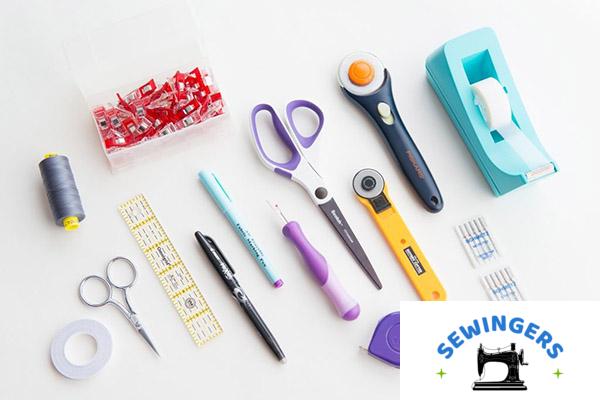
Here’s what your sewing starter kit should include:
- Fabric scissors: Not the ones from your kitchen drawer. Invest in sharp fabric-only shears (I use Fiskars—reliable and not too pricey).
- Needles: For hand sewing, get a mixed pack so you can experiment with different sizes.
- Thread: Stick with polyester or cotton to start. Go with neutral colors like white, black, or beige until you need something specific.
- Fabric: Cotton is ideal. It’s forgiving, easy to press, and doesn’t fray like crazy.
- Measuring tape: Flexible, fabric-friendly, and essential for everything from hemming to resizing.
I know it’s tempting to grab everything in the aisle, but honestly? These five items will carry you through dozens of beginner projects. I started with just these and made pillowcases, tote bags, and even a decent pair of pajama pants.
Hand Sewing vs. Machine Sewing: What’s the Difference?
Here’s where a lot of beginners get tripped up. Should you go all-in and buy a sewing machine? Or should you start with hand sewing?
Here’s what I recommend: Start with hand sewing. You’ll learn how stitches work, develop better control, and avoid wrestling with machine tension right off the bat.
Hand Sewing Tools:
- Hand needles
- Thread
- Thimble (if you’re working with tougher fabric)
- Patience (seriously)
Machine Sewing Tools:
- Sewing machine
- Bobbins
- Presser feet
- Thread spool and bobbin thread (same type and color)
- Seam guides
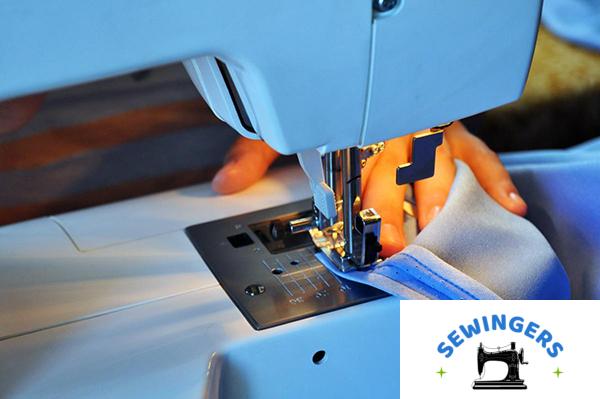
The sewing machine definitely speeds things up—but only after you’ve learned how to thread it (which, let me tell you, took me a solid hour the first time). Once you’re confident with hand stitches like running stitch and backstitch, upgrading to a basic machine (like a Singer Heavy Duty or Brother CS6000i) makes more sense.
Trusted US Sewing Brands for Beginners
When you’re buying your first supplies, the brand matters more than you might think. Cheap tools can be frustrating—dull scissors, snaggy thread, warped needles… been there, suffered through that.
Brands I trust and still use:
- Singer – Solid machines, especially their entry-level models.
- Fiskars – For scissors and cutting tools. Reliable and budget-friendly.
- Dritz – They make tons of accessories, from measuring tapes to pin cushions.
- Coats & Clark – Their thread is consistent and doesn’t tangle easily.
- Joann – Not a brand, but a go-to for sewing tools and fabrics. Their in-house brand tools are decent for starting out.
Avoid those no-name bundles you see online that offer “72-piece sewing kits” for $9.99. You’ll end up replacing most of it within weeks. What I’ve learned is that quality tools reduce frustration—which means you’ll actually keep sewing.
Where to Buy Sewing Supplies in the US
Now, where should you shop? Here’s a mix of places I’ve used, depending on the budget and urgency.
Best Places to Find Sewing Supplies:
- Joann Fabrics – Huge selection, especially if you’re near one. Great coupons too.
- Michaels – Not as sewing-focused, but carries the basics.
- Amazon US – Convenient, but be cautious with off-brand sellers.
- Walmart – Decent for basics like needles, thread, and even starter machines.
- Local fabric stores – Often overlooked, but can be goldmines for high-quality fabric and real advice from experienced sewists.
If you’re on a tight budget, shop seasonal sales (especially post-holiday) and sign up for store email lists. I’ve scored rotary cutters and bundles for half off just by waiting a few weeks.
How Much Should You Budget for a Starter Sewing Kit?
Let’s talk dollars.
A basic hand-sewing starter kit can cost $20 to $30 USD. Add a few yards of cotton fabric, and you’re still under $50.
If you’re adding a beginner sewing machine, expect to spend $100 to $150 USD for a reliable entry-level model.
Example Budget:
| Item | Price Range (USD) |
|---|---|
| Fabric scissors (Fiskars) | $10 – $15 |
| Needles (multi-pack) | $3 – $5 |
| Thread (Coats & Clark) | $2 – $4 each |
| Measuring tape | $2 – $6 |
| Starter fabric bundle | $10 – $20 |
| Optional sewing machine | $100 – $150 |
Tip: Look for beginner bundles at Joann or Amazon—some include everything from needles to fabric markers and cost less than buying separately.
Helpful Accessories That Make Sewing Easier
These aren’t “must-haves,” but wow do they make life easier:
- Seam ripper – For undoing mistakes (you’ll use this more than you’d think).
- Fabric markers – For marking darts, folds, and seams.
- Pin cushion or magnetic dish – So your pins don’t end up in your carpet.
- Rotary cutter + mat – Faster and cleaner cuts, especially for straight edges.
- Iron and ironing board – Pressing seams = polished projects.
I didn’t use a seam ripper at first—I thought, “Why would I need one if I just don’t make mistakes?” Ha. Let’s just say I now own three.
Organizing Your Sewing Space
No need for a whole sewing room. A small, well-lit corner will do just fine.
Set up with:
- A sturdy table (even a kitchen table works)
- Storage bins or drawers for thread, scraps, and tools
- A comfortable chair—don’t underestimate this!
- Good lighting—task lamps are lifesavers for small stitches
- Easy access to a power outlet, if you’re using a machine
Keep it tidy. I didn’t at first and spent half my sewing time just hunting for my thread. A little organization saves a lot of time and frustration.
Common Beginner Mistakes (And How to Avoid Them)
Let’s end with some real talk. You will make mistakes—but that’s part of the process. Here’s what tripped me up early on:
- Using the wrong thread type – Polyester thread on cotton fabric? Works fine. But avoid mixing elastic thread where it’s not needed.
- Skipping pattern instructions – Read everything before you start cutting. Trust me.
- Ignoring prep work – Pre-wash your fabric to avoid shrinkage later.
- Wrong tension on your machine – Causes tangled threads or skipped stitches.
- Not pressing seams – It might feel like a waste of time, but your finished project will look 10x better.
Keep a notebook, or even just a note on your phone, with what works and what doesn’t. Sewing is one of those hobbies where you learn by doing—and redoing.
Final Thoughts
Sewing is one of those beautiful, practical, and oddly soothing hobbies that sticks with you. It starts with a simple thread and needle, and before you know it, you’re hemming your own pants or gifting handmade quilts.
So don’t get overwhelmed by the sea of supplies. Start small. Get your hands on the basics. Make mistakes. Fix them. Learn. That’s where the magic is.
And hey—if you ever find yourself tangled in thread or staring at a bobbin wondering which way it spins, you’re not alone. We’ve all been there.
Happy sewing.