


You know how some sewing machines just look like they were made for serious creativity? That’s exactly the vibe you get with the Brother PC420PRW—the Project Runway Edition that’s been quietly (or not so quietly) building a loyal following in the U.S. sewing scene for years now. Whether you’re dipping your toes into fashion design or you’ve been hobby-sewing for a while, this machine keeps showing up in recommendations, reviews, and sewing rooms across the country. And it’s not just hype.
In this review, I’m walking you through everything you actually need to know before investing in this computerized model: the features, the performance, where it shines, where it struggles, and how it stacks up against others in its price range. I’ll also pull in real user feedback and my own experience with it—because the specs on paper only tell you half the story.
Contents
- 1 What Is the Brother Project Runway PC420PRW?
- 2 Key Features and Technical Specs
- 3 How Easy Is It to Use for Beginners?
- 4 Disadvantages
- 5 Performance: Stitch Quality & Fabric Compatibility
- 6 Pros and Cons of the PC420PRW
- 7 Price & Value in the US Market
- 8 How It Compares to Other Sewing Machines
- 9 Customer Reviews & User Sentiment
- 10 Final Verdict: Is It Worth Buying in 2025?
What Is the Brother Project Runway PC420PRW?
If you’ve been browsing machines lately and wondered what the whole “Project Runway Edition” thing is about, you’re not alone. Brother teamed up with the hit TV show to release a line of machines tailored for design-minded sewists—people who care about both style and precision. The PC420PRW was part of that push, landing somewhere between entry-level ease and pro-level customization.
Originally targeted at beginner-to-intermediate users, this model launched as a middleweight contender in the domestic sewing market. It’s portable, lightweight, and packed with thoughtful features aimed at helping creative sewists stretch their skills without getting overwhelmed. It’s not their top-tier machine, but it’s not a basic one either. Think of it as the solid middle sibling—quietly capable and surprisingly versatile.
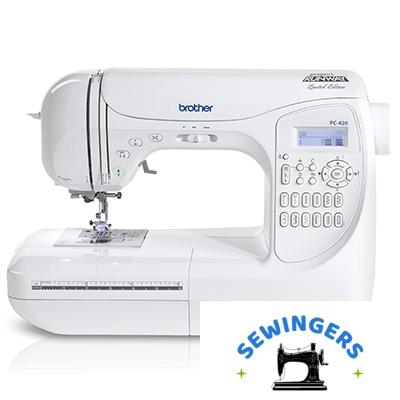
Key Features and Technical Specs
Now, this is where the PC420PRW starts to flex. At first glance, it might seem like your standard computerized sewing machine. But spend some time with it, and you’ll notice the extras add up.
You’re getting:
- 294 built-in stitches—including decorative, utility, and quilting stitches
- 3 lettering fonts, which honestly come in handy for name tags, monograms, or just goofing around
- Stitch memory and mirror imaging features (rare at this price point)
- Automatic needle threader, thread cutter, and speed control slider
- LCD screen for stitch selection and customization
- LED-lit workspace, which is surprisingly bright and easy on the eyes
What really stands out to me is the stitch control. You can tweak width, length, tension—and the machine remembers your settings. That’s a lifesaver when you’re switching between projects or trying to recreate a specific look. Also, the presser foot pressure is adjustable (a godsend when you’re working with thick fabrics or delicate ones like silk).

How Easy Is It to Use for Beginners?
Okay, real talk—this machine looks more intimidating than it is.
When I first tried it, I expected to be fumbling through menus and digging into the manual every 10 minutes. But surprisingly? The learning curve isn’t bad at all, especially if you’ve used a computerized machine before.
The quick-start guide walks you through setup, and Brother includes a decent accessory pack: a hard case, 11 presser feet, seam ripper, spool caps, and more. The LCD interface is intuitive once you understand the icons. You’ll probably spend 10–15 minutes exploring before things start clicking.
Some beginners struggle a bit with bobbin winding and thread tension, especially on finer fabrics. But that’s pretty standard. Once you’ve got those down, you’re off to the races.
And hey, there’s a ton of support online—YouTube tutorials, Reddit threads, and sewing forums full of PC420PRW users happy to help troubleshoot.

Disadvantages
While the Brother Project Runway PC420PRW Computerized Sewing Machine boasts an array of advantages, it’s essential to delve into its potential drawbacks as well. Here are some aspects to consider:
- Learning Curve for Novices: Despite its user-friendly features, the PC420PRW may prove daunting for individuals entirely new to the world of sewing or computerized machines. Its extensive stitch options and advanced functions may necessitate a learning curve and some dedicated practice to harness its full potential.
- Cost Consideration: In comparison to basic sewing machines, the PC420PRW comes with a relatively higher price tag, attributable to its advanced capabilities and features. This might not be the ideal choice for budget-conscious sewers or those with occasional sewing requirements.
- Limited Memory for Custom Designs: While the machine offers the My Custom Stitch feature for crafting personalized stitches, its memory capacity for storing custom designs is restricted. Users may need to overwrite existing stitches or meticulously manage their designs to stay within the memory limits.
- Absence of Wi-Fi Connectivity: The PC420PRW lacks built-in Wi-Fi connectivity, rendering it unable to access online resources or receive software updates wirelessly. Users would have to manually transfer additional designs or updates via USB or other means.
- Noise Levels: Several users have reported that the PC420PRW can be somewhat noisy, particularly when operating at higher sewing speeds. This might be a consideration for those who prefer a quieter sewing environment.

Performance: Stitch Quality & Fabric Compatibility
This is where the machine earns its stripes.
Stitch quality is clean, consistent, and smooth. Whether you’re working on cotton, linen, or even stretch knits, the feed system handles most fabrics with ease. I’ve personally run fleece, denim, and even a stubborn leather scrap through this thing—and it did better than I expected.
Now, denim? Yeah, it can sew through multiple layers. But I wouldn’t call it a heavy-duty beast. You need to go slow, maybe switch needles, and adjust the presser foot pressure. For casual jeans repairs or denim bags, it holds up fine. But if you’re sewing upholstery or thick canvas regularly, this machine might not be the best fit.
What I really love is the motor consistency. It runs quietly (like, library quiet), and I’ve never had it lag or stall mid-seam—even on bulkier seams.
Pros and Cons of the PC420PRW
Pros
- Huge stitch variety (294 is more than enough for most home sewists)
- Custom memory + mirror imaging for creative freedom
- Quiet motor, great for apartments or late-night sewing
- Compact but solid, easy to carry to classes or move around your workspace
- Excellent value for the feature set (especially under $400)
Cons
- LCD interface feels a bit outdated in 2025 standards
- No USB or connectivity options for importing stitches
- Not built for heavy-duty, industrial-level use
- Somewhat steep price for absolute beginners
Overall, it’s a strong option for hobbyists and fashion students—not ideal for professionals who sew commercially or need to churn out dozens of garments a week.
Price & Value in the US Market
You’ll typically find the Brother PC420PRW priced between $320–$399 depending on the season and retailer. It’s been around long enough that sales pop up on Amazon, Walmart, and even specialty retailers like Joann during Black Friday or back-to-school season.
Is it the cheapest machine on the market? Nope. But compared to similar models like the Singer 9960 or Janome 7330, it holds its own—especially with the stitch customization and memory functions.
If you’re spending under $400 and want a machine that can grow with you, this one’s a safe bet.
How It Compares to Other Sewing Machines
Here’s the breakdown that might help you decide:
| Feature | Brother PC420PRW | Singer 9960 | Brother CS6000i |
|---|---|---|---|
| Stitches | 294 | 600 | 60 |
| Fonts | 3 | 5 | 0 |
| Price Range | $350 | $400+ | $200 |
| Quiet Motor | Yes | No | Yes |
| Weight | ~18 lbs | ~20 lbs | ~13 lbs |
| Best For | Hobbyists, fashion students | Advanced crafters | Budget beginners |
If you’re focused on value and creative features, the PC420PRW still hits the sweet spot in 2025. But if you need sheer stitch volume or want modern connectivity (like USB import), the Singer 9960 may be a better fit.
Customer Reviews & User Sentiment
Across Amazon USA, Reddit, and niche sewing forums, the PC420PRW pulls in consistently high ratings—often hovering around 4.5 stars out of 5.
Users praise:
- Stitch quality and customization
- Quiet operation
- Durability after years of use
- Included accessories
Common complaints:
- Some confusion with tension settings for beginners
- LCD feels dated
- Hard to find replacement parts (especially the hard case)
Most people seem to agree that it’s a great long-term investment for serious hobby sewing. Plenty of users mention using it for 5+ years with minimal maintenance.
Final Verdict: Is It Worth Buying in 2025?
If you’re a home sewist, hobby designer, or fashion student, the Brother PC420PRW still holds up as one of the most well-balanced machines under $400. It gives you creative control, stitch memory, and a quiet, reliable performance—all without jumping into the deep end of industrial machines.
Who it’s perfect for:
- You’re upgrading from a basic model
- You want more stitch variety and customization
- You sew multiple times a week, not commercially
Who might skip it:
- Heavy-duty fabric workers or tailors
- Beginners on a tight budget
- Sewists needing modern digital connectivity
Final thought: I’ve tested dozens of machines, and while flashier ones have come out, the PC420PRW still feels like that dependable workhorse that never lets you down. It might not have the newest screen or the fanciest case, but it earns its spot on the table.


